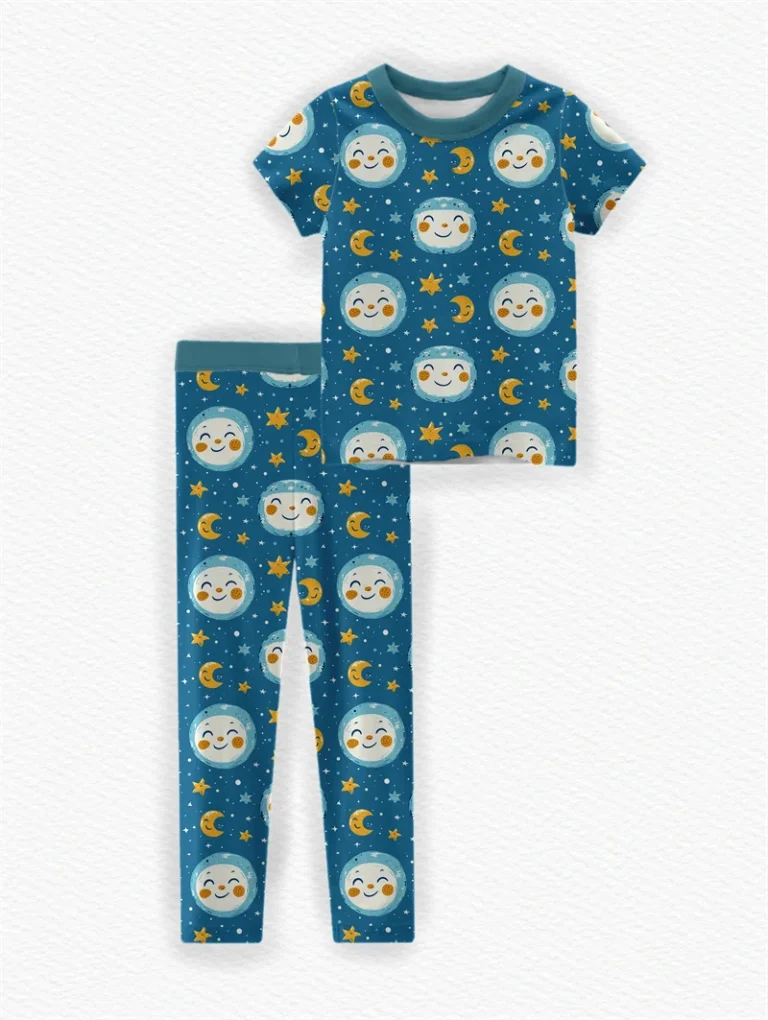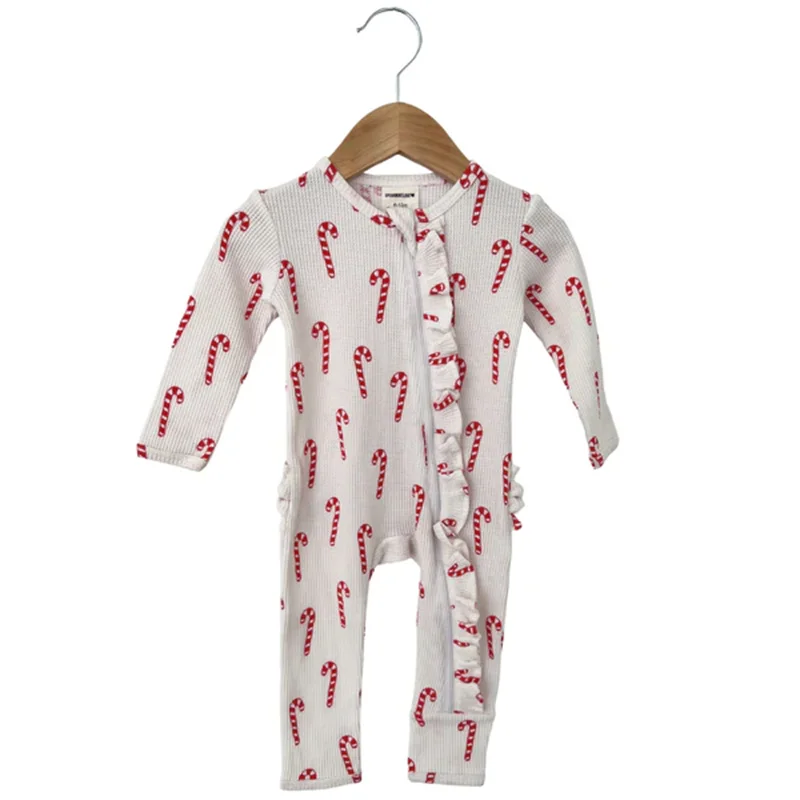
Reliable Clothing Newborn Best Manufacturers: Overcoming Supply Chain Hurdles
Why High-Quality Materials Are Non-Negotiable for Newborn Clothing
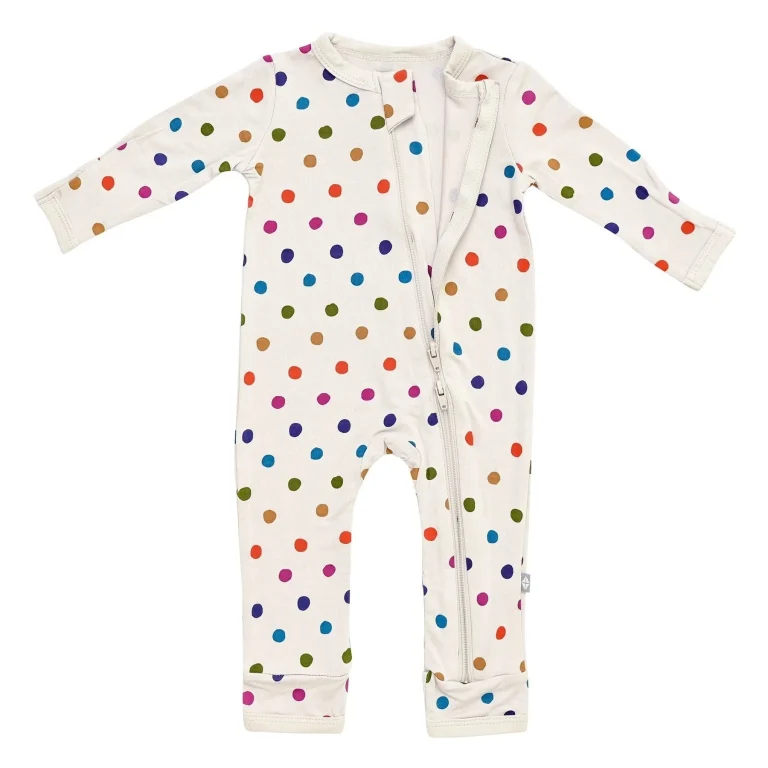
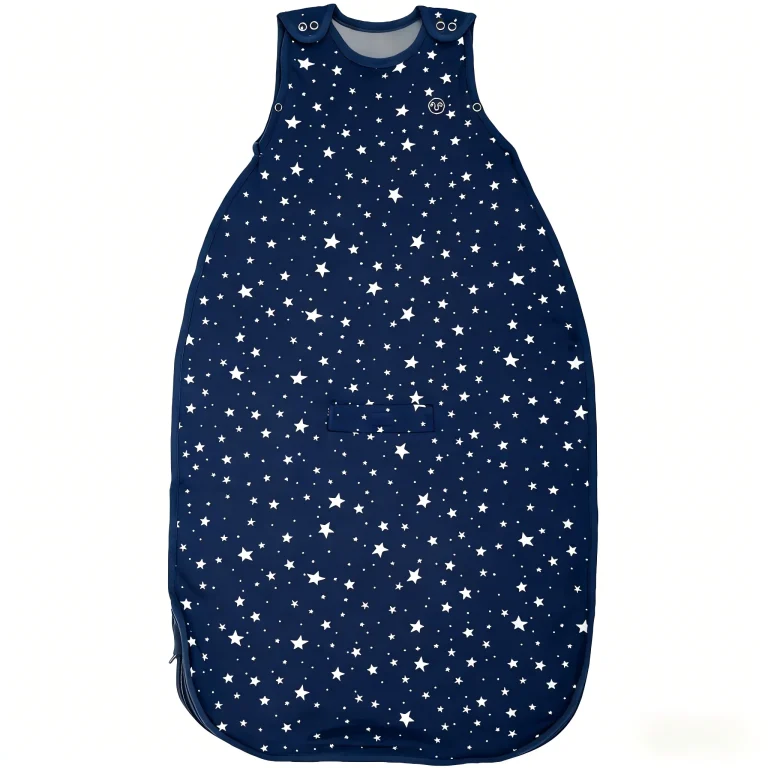
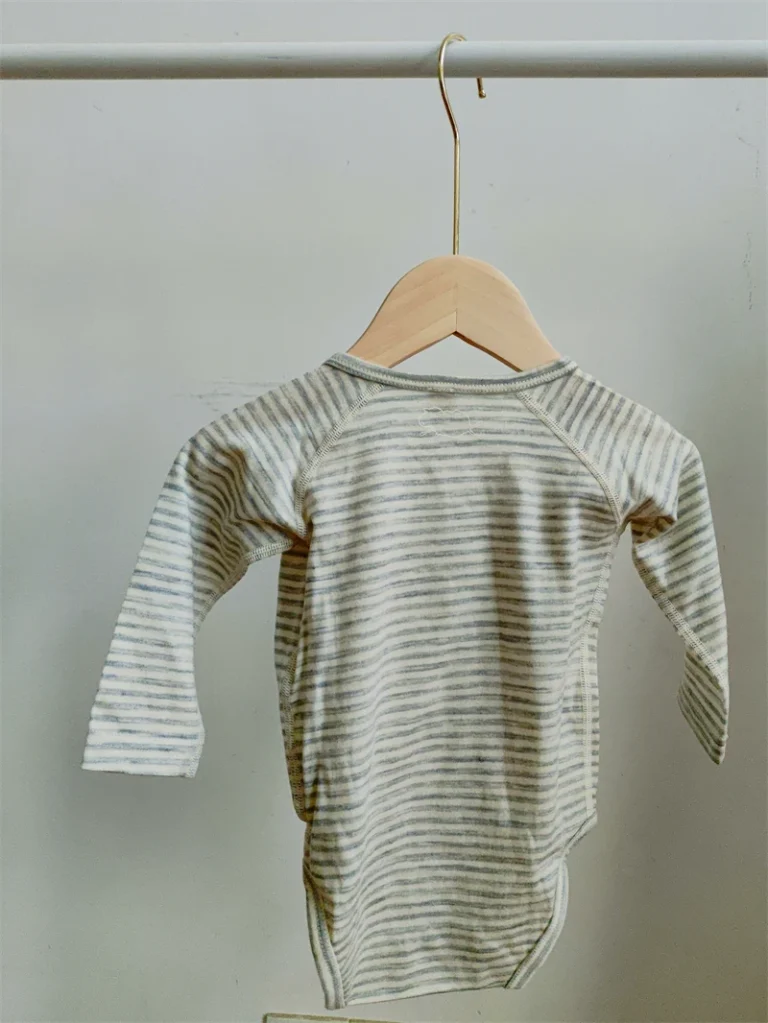
Clothing newborn requires the utmost attention to fabric quality and safety standards. Newborn skin is highly sensitive, making it essential for manufacturers to select hypoallergenic, breathable, and sustainable materials. Fabrics like bamboo viscose have gained significant traction due to their exceptional softness, moisture-wicking properties, and antibacterial qualities. For brands seeking to differentiate their product lines, partnering with suppliers specializing in organic and eco-friendly textiles can offer a competitive edge. This focus on material quality is not just a trend but a critical factor in meeting parental expectations and regulatory requirements worldwide.
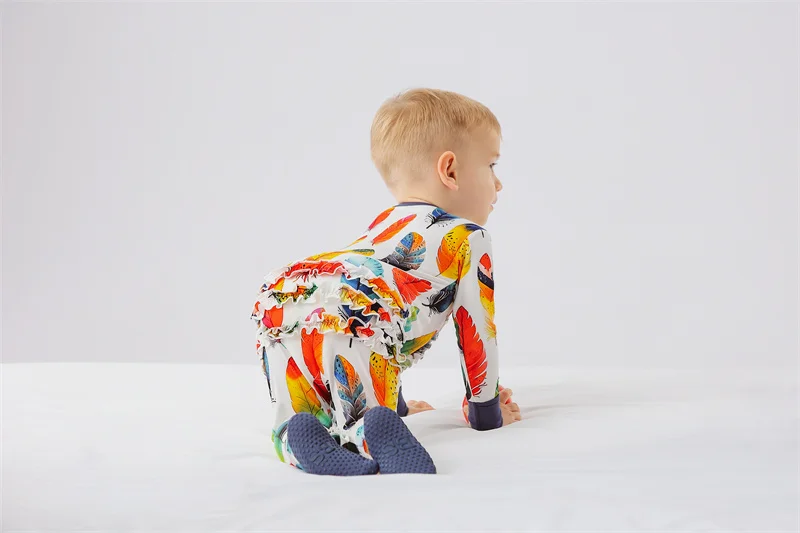
Another key consideration is compliance with certifications such as OEKO-TEX, GOTS (Global Organic Textile Standard), and CPSIA (Consumer Product Safety Improvement Act). These certifications build trust among consumers and serve as a benchmark for brands seeking to enter international markets.
OEM and ODM Services: Tailoring Newborn Clothing to Market Needs
For businesses aiming to establish or expand their presence in the newborn apparel sector, leveraging clothing newborn OEM and ODM custom babywear with low MOQ services is a strategic approach. OEM (Original Equipment Manufacturer) services allow brands to produce private-label products using pre-existing designs, while ODM (Original Design Manufacturer) services enable complete customization, from fabric selection to design and branding elements.
Key Advantages of OEM and ODM Services
- Flexibility in Design: Whether brands are seeking minimalistic designs or intricate patterns, OEM and ODM providers offer tailored solutions that align with specific market trends.
- Cost-Efficiency: By opting for low Minimum Order Quantities (MOQs), emerging brands can balance inventory costs while testing new product lines.
- Speed to Market: Streamlined production processes ensure quicker turnaround times, helping brands respond promptly to consumer demand.
- Expertise Access: Partnering with experienced manufacturers grants access to technical know-how, quality control systems, and state-of-the-art technology.
These services also provide the flexibility to incorporate sustainable practices, such as using bamboo-based fabrics or recycled materials, aligning with the eco-conscious preferences of today’s consumers.
Understanding Market Trends in Newborn Clothing
The global newborn clothing market has experienced consistent growth, driven by increasing birth rates in emerging economies and a growing awareness of sustainable practices among parents. Key trends shaping the industry include:
Focus on Eco-Friendly and Organic Products
Parents are increasingly prioritizing products that are safe for their babies and the environment. This has led to a surge in demand for garments made from organic cotton, bamboo, and other sustainable materials. Offering clothing newborn with eco-friendly certifications can significantly enhance a brand’s market positioning.
Functional and Versatile Designs
Modern parents value functionality as much as aesthetics. Features like snap closures for easy diaper changes, adjustable sizes, and multi-purpose designs appeal to this demand. Customizing products to include such features through clothing newborn OEM and ODM custom babywear with low MOQ services provides brands an edge.
Gender-Neutral Options
Another rising trend is gender-neutral baby clothing, which allows parents to reuse garments for future siblings regardless of gender. This not only meets evolving cultural norms but also offers long-term value to consumers.
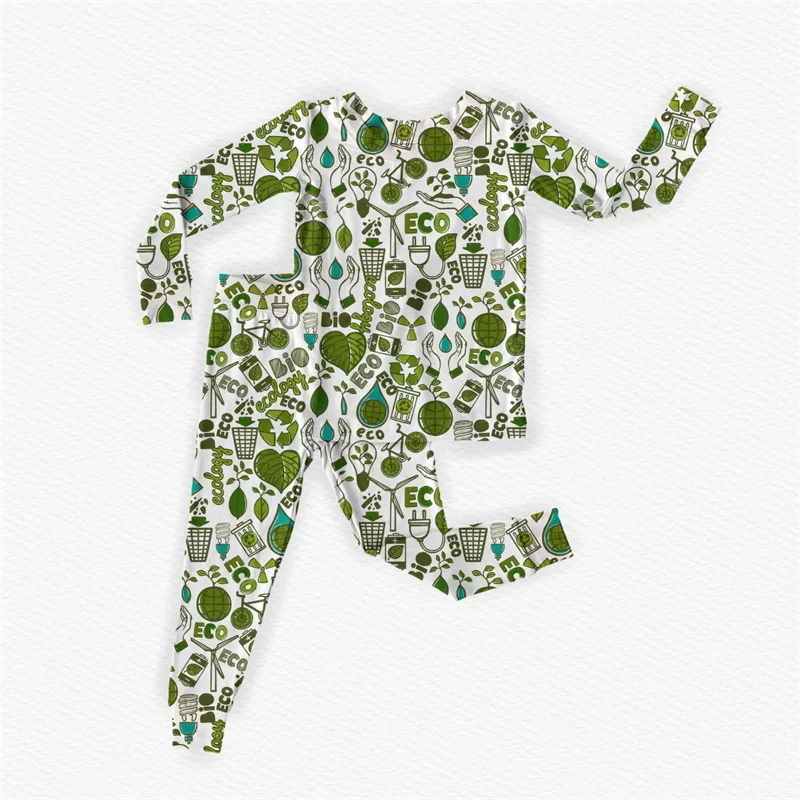
Quality Control: A Non-Negotiable in Newborn Clothing Manufacturing
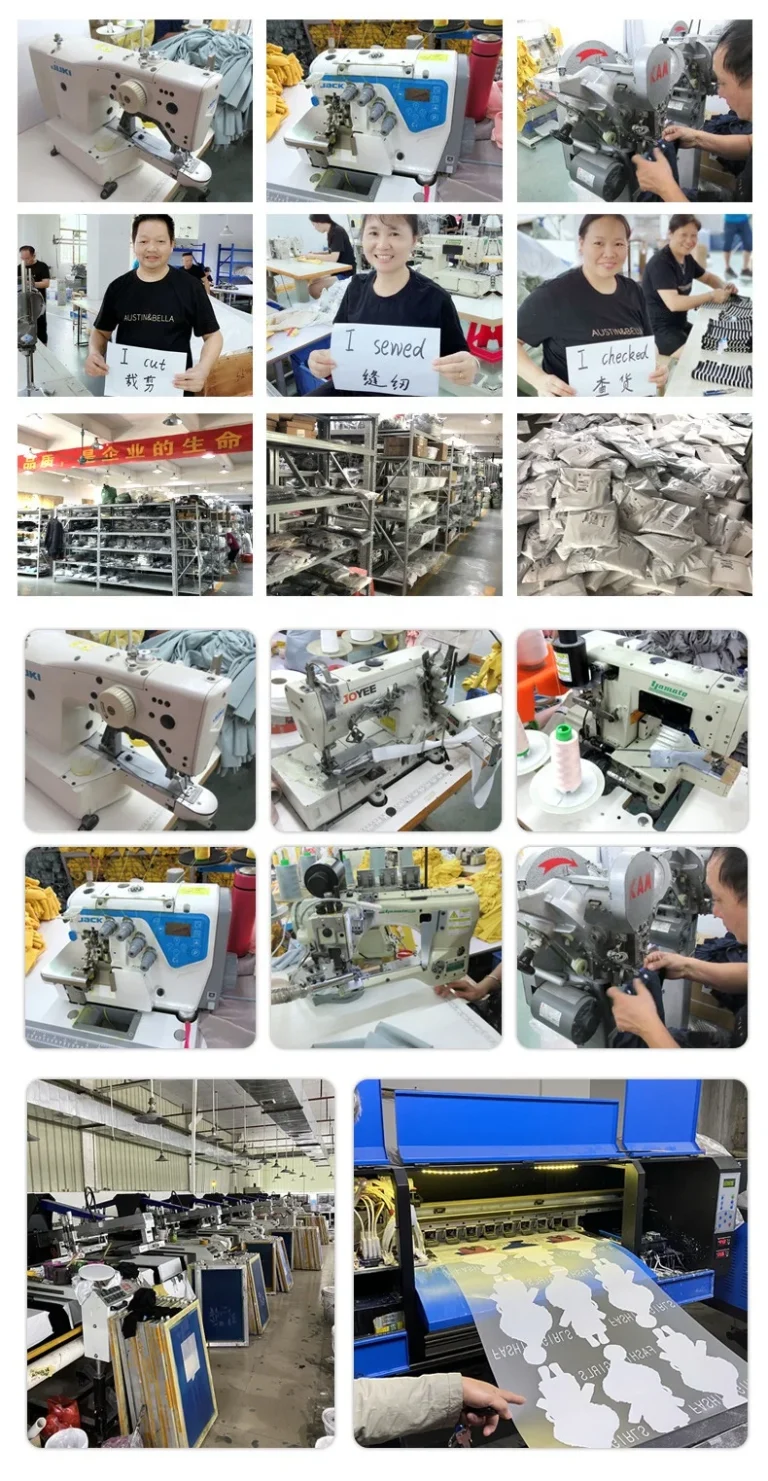
Ensuring consistent quality across all production batches is essential in the newborn clothing industry. Reputable manufacturers implement rigorous quality control processes, including raw material inspection, in-line production monitoring, and pre-shipment audits. These measures are designed to eliminate defects, ensure safety, and maintain compliance with international standards.
Advanced technology such as automated sewing and digital pattern-making further enhances the precision of the production process. For brands, collaborating with manufacturers that prioritize quality assurance can minimize returns, build brand loyalty, and enhance customer satisfaction.
How to Choose the Right OEM/ODM Partner
When selecting a manufacturing partner for clothing newborn, businesses should evaluate several factors:
- Experience: Look for manufacturers with a proven track record in newborn apparel production.
- Certifications: Ensure the supplier complies with relevant safety and material standards, such as OEKO-TEX or GOTS.
- MOQ Flexibility: Opt for providers offering clothing newborn OEM and ODM custom babywear with low MOQ to support scalable growth.
- Customization Options: Assess their capabilities in fabric selection, design, and branding.
- Communication and Transparency: Clear communication channels and transparent pricing structures are critical for a successful partnership.
For bulk order inquiries or customized solutions, partnering with a reliable OEM/ODM manufacturer offering expertise in newborn clothing can streamline your brand’s path to success. Reach out today to explore tailored options aligned with your unique business needs.