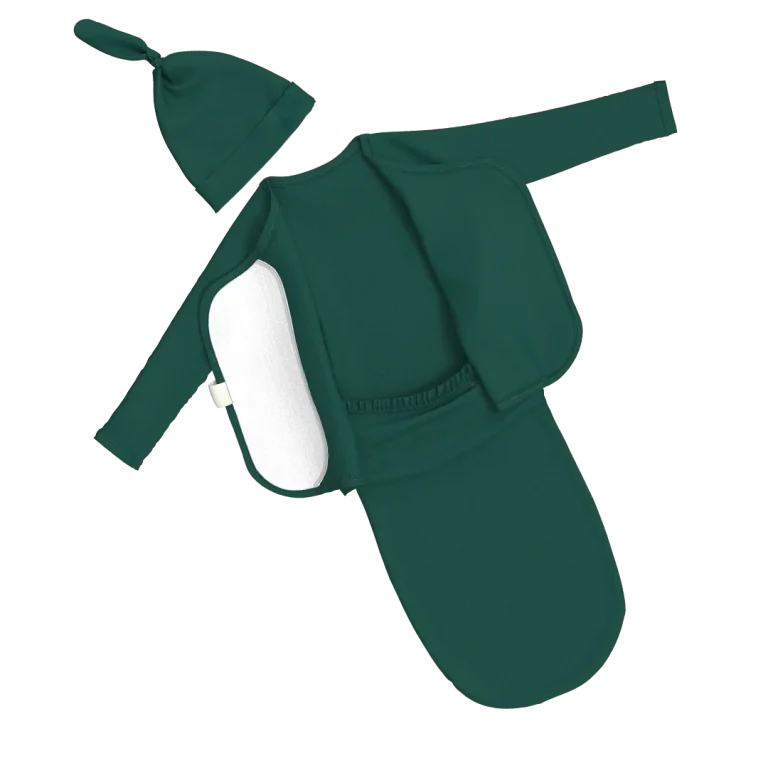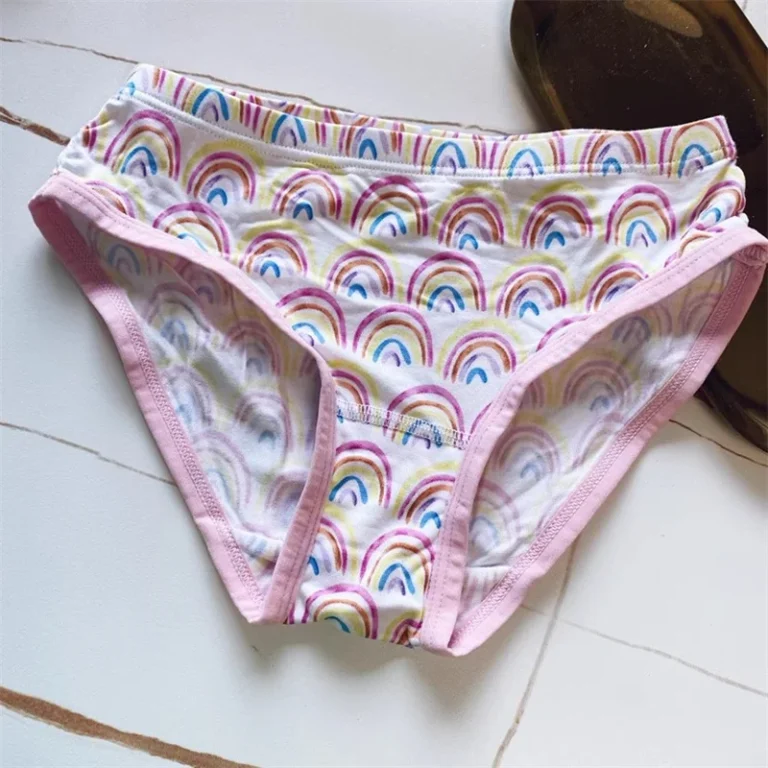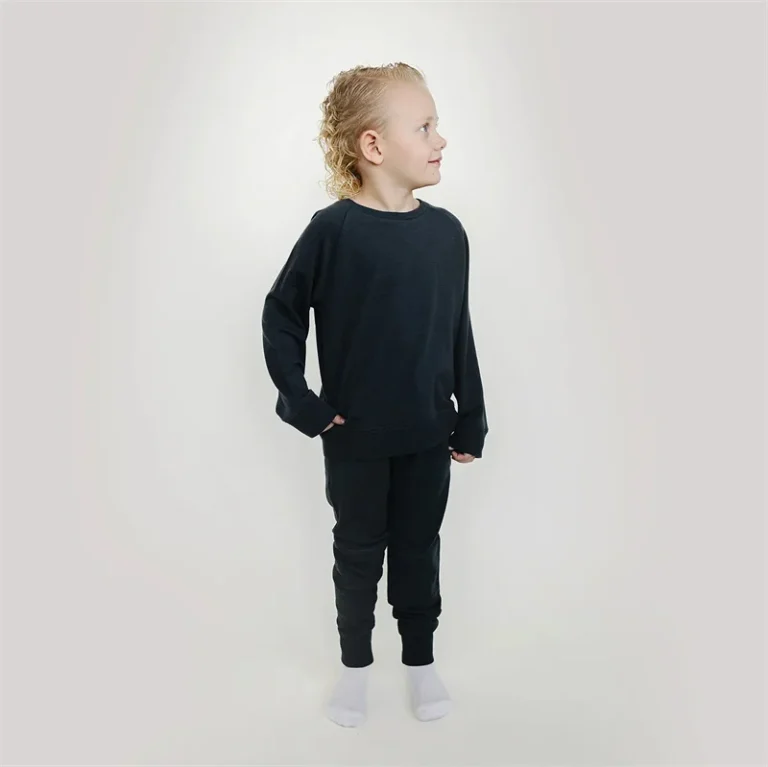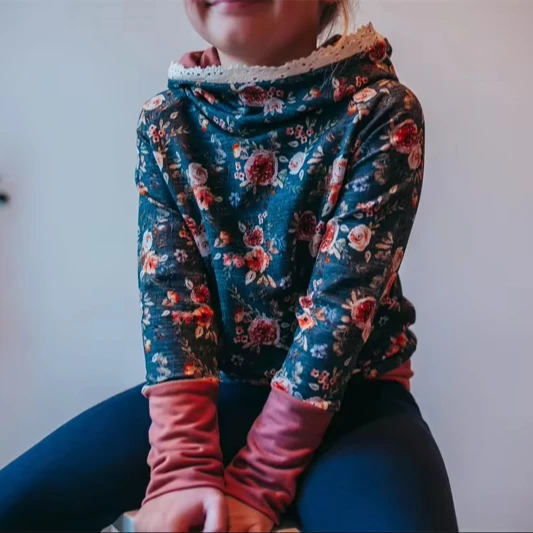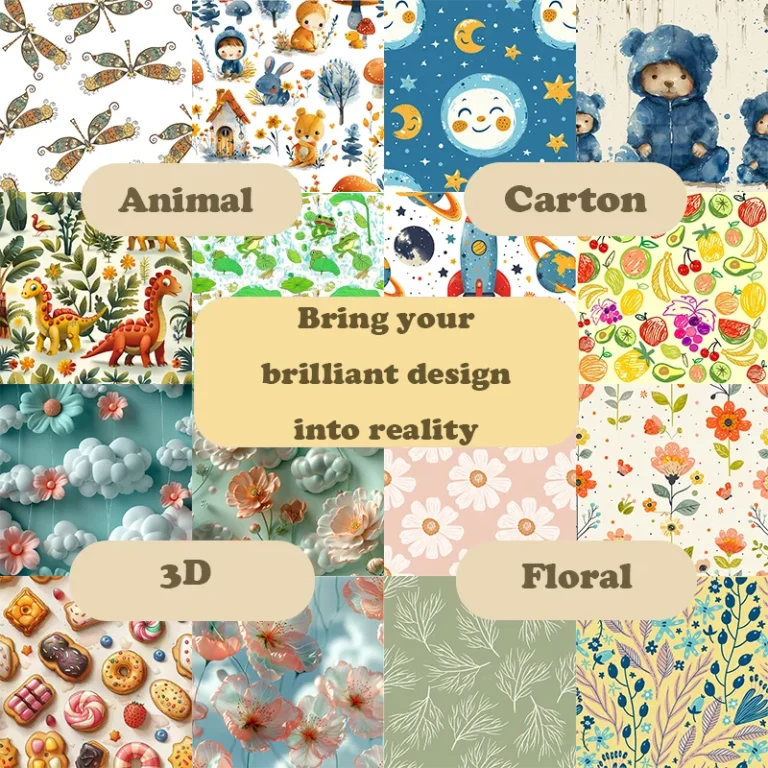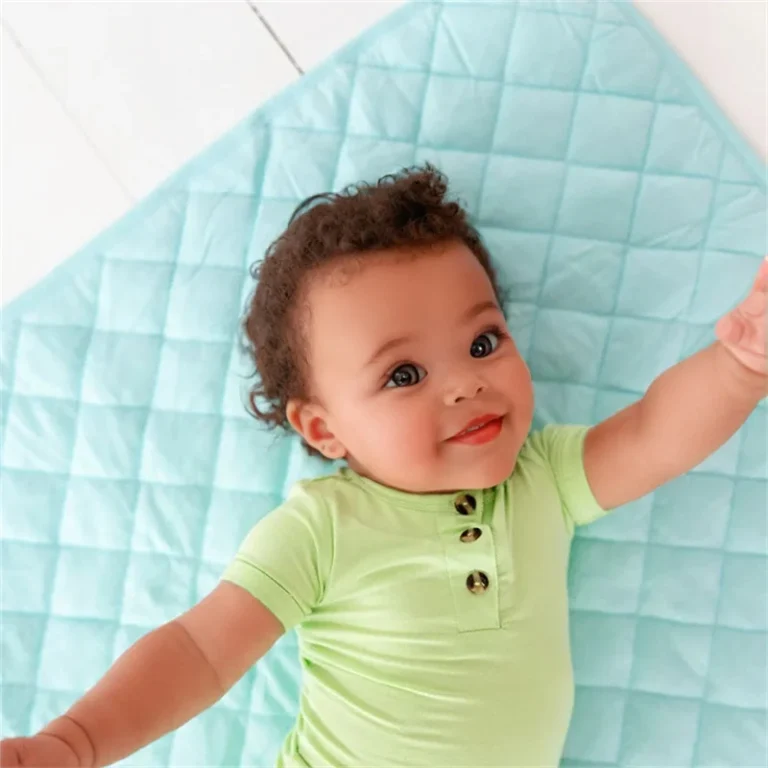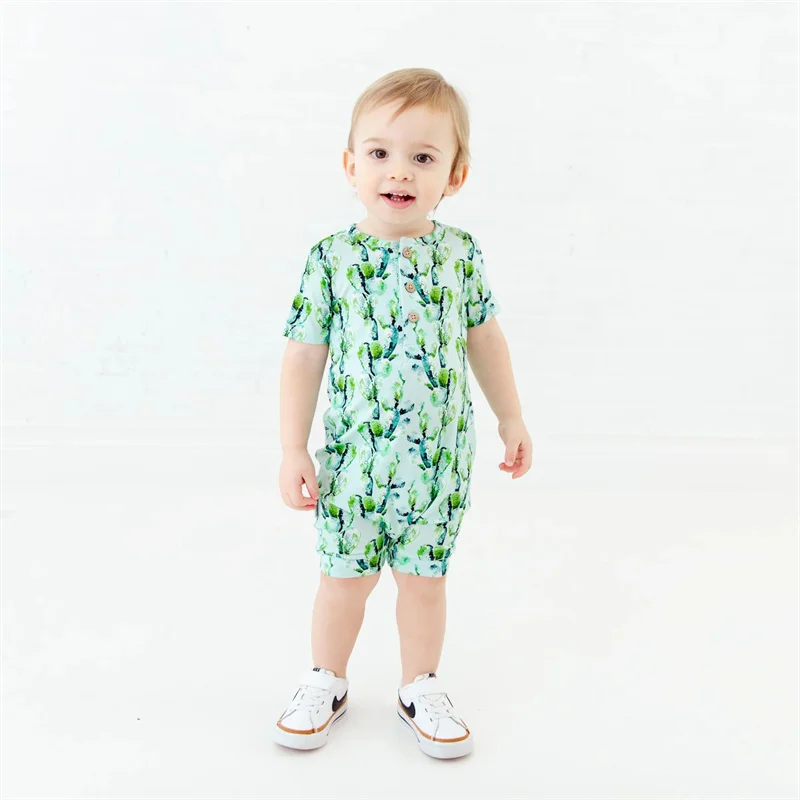
Scalable Private Label Fabric Bamboo Factory Direct Pricing Grow Your Boutique with Us
The Rise of Fabric Bamboo: A Sustainable Choice for the Mother and Baby Industry
As the demand for eco-friendly and sustainable textiles grows, fabric bamboo has emerged as a leading choice for manufacturers, wholesalers, and brands in the mother and baby industry. Known for its unique properties and environmental benefits, bamboo-based fabrics provide a premium alternative to traditional materials like cotton and polyester. This article explores the advantages of fabric bamboo, with a focus on its relevance to baby clothing and its alignment with sustainability certifications like GRS (Global Recycled Standard).
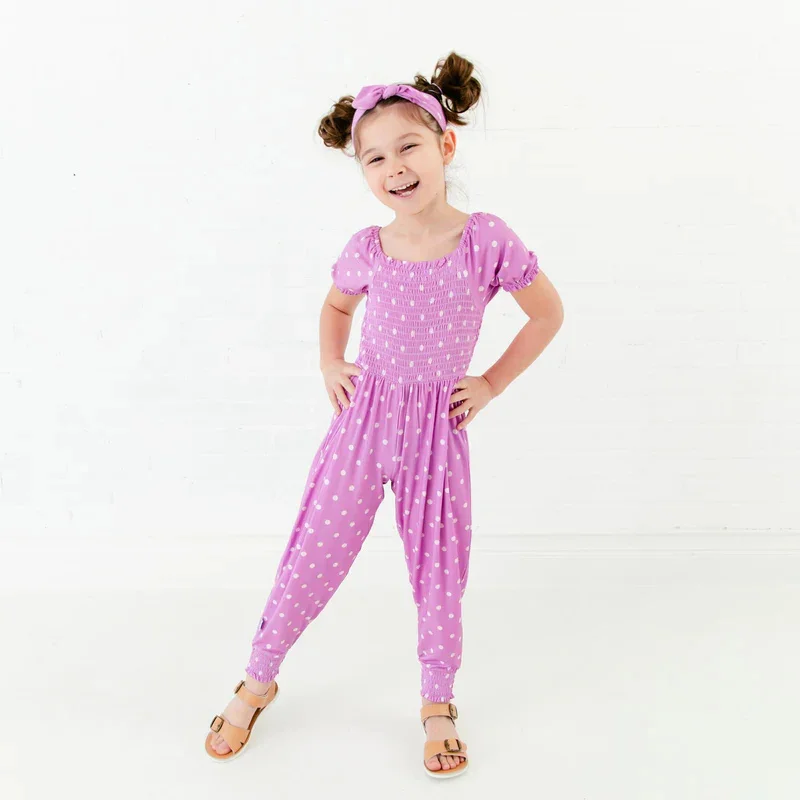
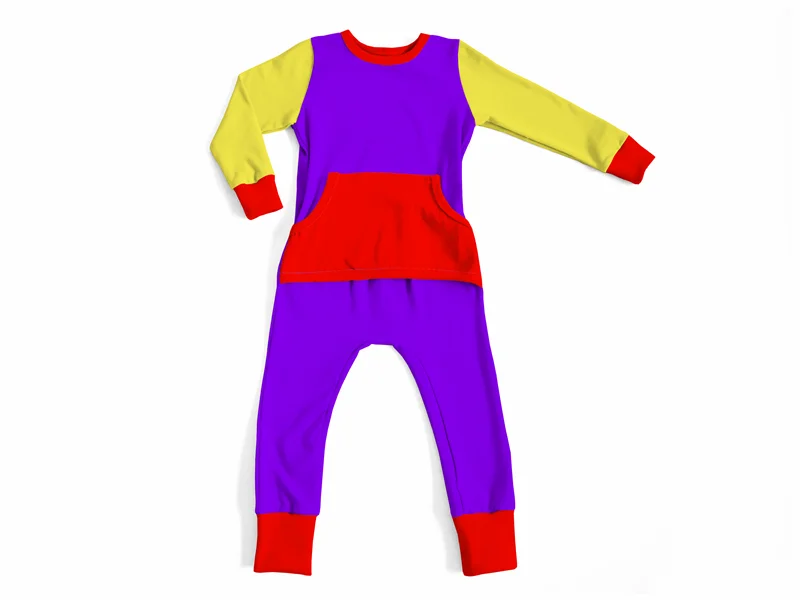
What Makes Fabric Bamboo Ideal for Babywear?
The mother and baby industry places a high emphasis on comfort, safety, and sustainability. Fabric bamboo, derived from bamboo fibers, excels in these areas. Here are some of its key advantages:
- Softness: Bamboo fabrics are renowned for their silky texture, making them gentle on a baby’s sensitive skin.
- Hypoallergenic: Naturally hypoallergenic, bamboo fibers are less likely to cause allergic reactions compared to synthetic materials.
- Breathability: Bamboo allows for superior moisture absorption and ventilation, keeping babies cool in summer and warm in winter.
- Antibacterial Properties: Bamboo contains kun, a bio-agent that helps resist bacteria and odor, ensuring a cleaner and healthier fabric for children.
- Sustainability: Bamboo grows quickly with minimal water and no pesticides, making it a highly sustainable raw material.
GRS Certification: Why It Matters for Bamboo Fabric
When sourcing bamboo fabrics, it is essential to prioritize options that are GRS certified. The Global Recycled Standard ensures that the material has been ethically sourced, responsibly processed, and adheres to environmental and social standards. For wholesalers and brands, using fabric bamboo premium GRS certified certified bamboo clothing not only demonstrates a commitment to sustainability but also appeals to the growing segment of eco-conscious consumers.
Benefits of choosing GRS-certified bamboo fabrics include:
- Traceability: GRS certification ensures that the entire supply chain, from raw material to finished product, meets rigorous sustainability criteria.
- Recycled Content: GRS-certified bamboo often incorporates recycled fibers, further minimizing environmental impact.
- Consumer Trust: Certification labels can increase customer confidence and brand loyalty.
- Regulatory Compliance: GRS certification aligns with global sustainability regulations, reducing the risk of legal or reputational issues.
Specifications to Look for When Sourcing Fabric Bamboo
When procuring fabric bamboo for babywear or other mother and child products, it is crucial to evaluate its specifications to ensure quality and compliance. As a B2B buyer, here are the primary factors to consider:
- Fiber Composition: Look for fabrics that combine bamboo with organic cotton or recycled polyester for added durability.
- Certification: Prioritize suppliers that offer fabric bamboo premium GRS certified certified bamboo clothing to meet industry standards.
- Weight and GSM: Choose fabrics with an appropriate weight (measured in grams per square meter) to match the intended product use, such as lightweight materials for summer clothing or thicker materials for winter.
- Dyeing and Finishing: Confirm that the dyeing process uses non-toxic, eco-friendly chemicals to maintain the sustainability of the fabric.
- Stretch and Recovery: Bamboo fabrics with added spandex or elastane provide better flexibility and fit, ideal for active children.
Addressing Common Challenges in Bamboo Fabric Sourcing
Despite its benefits, sourcing fabric bamboo comes with challenges. Understanding these issues and addressing them proactively can help businesses make informed decisions:
- Authenticity: Some suppliers might offer substandard bamboo fabrics. Insist on GRS certification to verify the quality and sustainability of the material.
- Cost: Premium bamboo fabric can be more expensive than conventional textiles. However, bulk orders and customized solutions can help reduce costs while ensuring quality.
- Processing Standards: Bamboo fabric production involves chemical processes like the viscose method. Ensure your supplier adheres to eco-friendly practices that minimize environmental impact.
How Manufacturers Can Support Sustainable Initiatives
As the demand for sustainable textiles continues to grow, manufacturers play a crucial role in driving positive change. Companies involved in the production of fabric bamboo can take proactive steps to align their practices with global sustainability goals:
- Invest in Sustainable Technology: Upgrading to closed-loop production systems can minimize waste and reduce environmental impact.
- Promote Transparency: Offer clear documentation of certification and supply chain practices to build trust with partners and end consumers.
- Partner with Eco-Friendly Brands: Collaborate with companies that prioritize sustainability and eco-conscious designs.
- Educate Stakeholders: Provide training and resources to help clients and employees understand the benefits of sustainable materials like bamboo.
Take the Next Step
Incorporating fabric bamboo premium GRS certified certified bamboo clothing into your product line is more than a trend—it’s a commitment to quality, sustainability, and customer satisfaction. As a trusted supplier, we offer customized solutions to meet your specific needs, ensuring that your brand stands out in the competitive mother and baby market. Contact us today for bulk order inquiries and discover how we can support your business with eco-friendly, premium bamboo textiles.