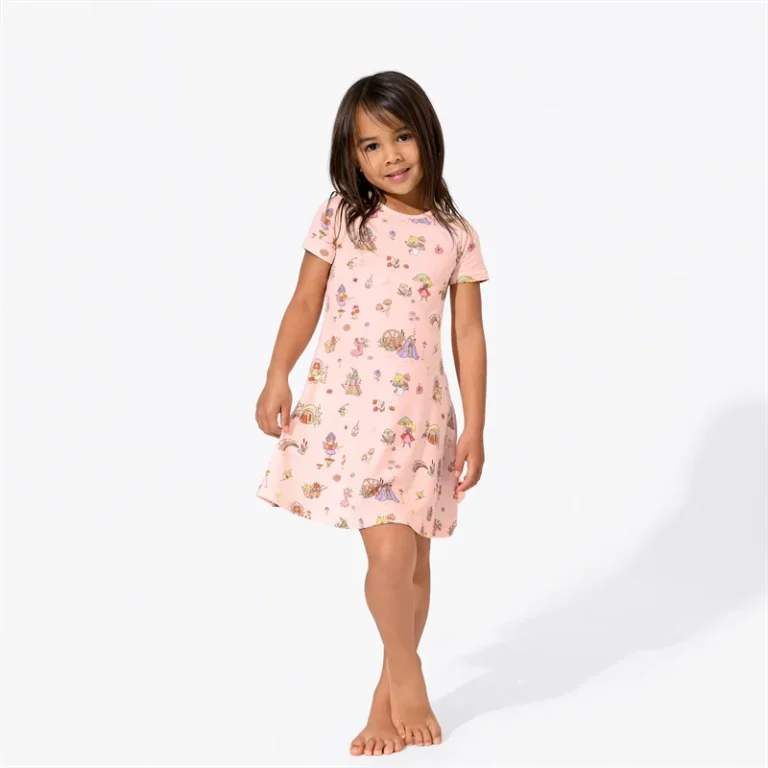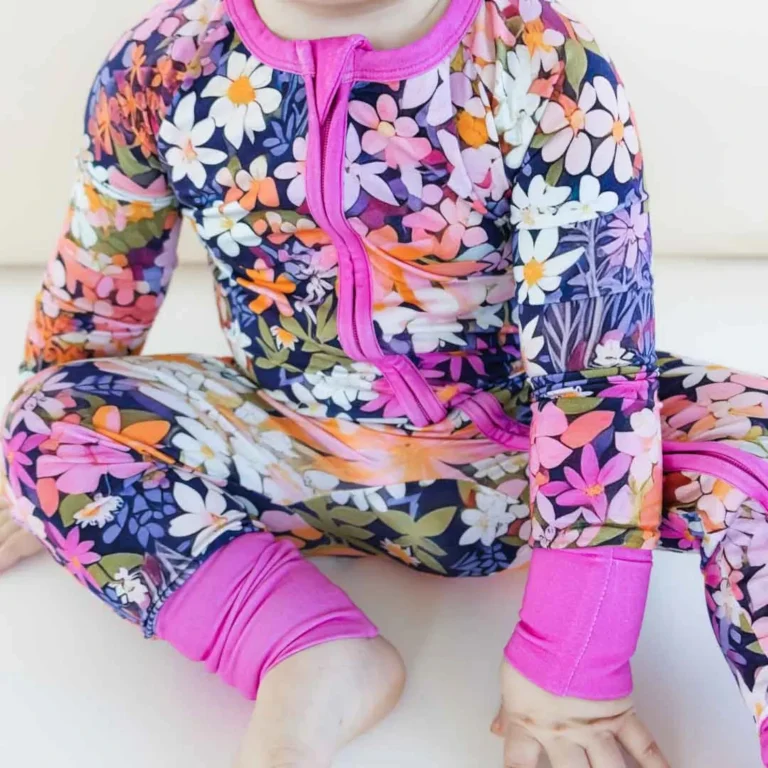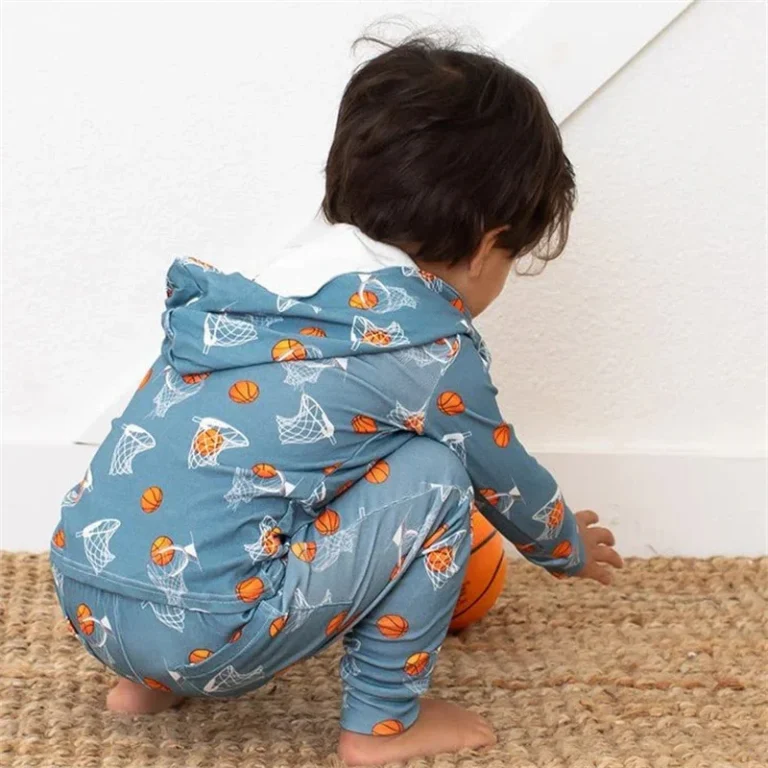
Bamboo Clothing Wholesaler Supporting Low MOQ FactoryLow MOQ
The Rise of Bamboo Clothing: A Sustainable Solution for Babywear
As global consumer awareness grows around sustainability and eco-conscious choices, bamboo Clothing has emerged as a preferred material for baby apparel. Its natural softness, hypoallergenic properties, and environmental benefits are positioning bamboo fabric as a top choice for brands seeking innovative yet ethical product lines. This article explores why bamboo Clothing is the ideal fabric for OEM and ODM businesses catering to the babywear market, especially under low MOQ (Minimum Order Quantity) requirements.
Why Bamboo Fabric Is Ideal for Babywear
Environmental Benefits of Bamboo
Bamboo is celebrated for its fast growth rate and low impact on the environment. Unlike cotton, bamboo requires no pesticides and minimal water to thrive, making it a highly sustainable crop. When processed responsibly, bamboo fabric production can drastically lower the carbon footprint of clothing manufacturers.
Hypoallergenic Properties
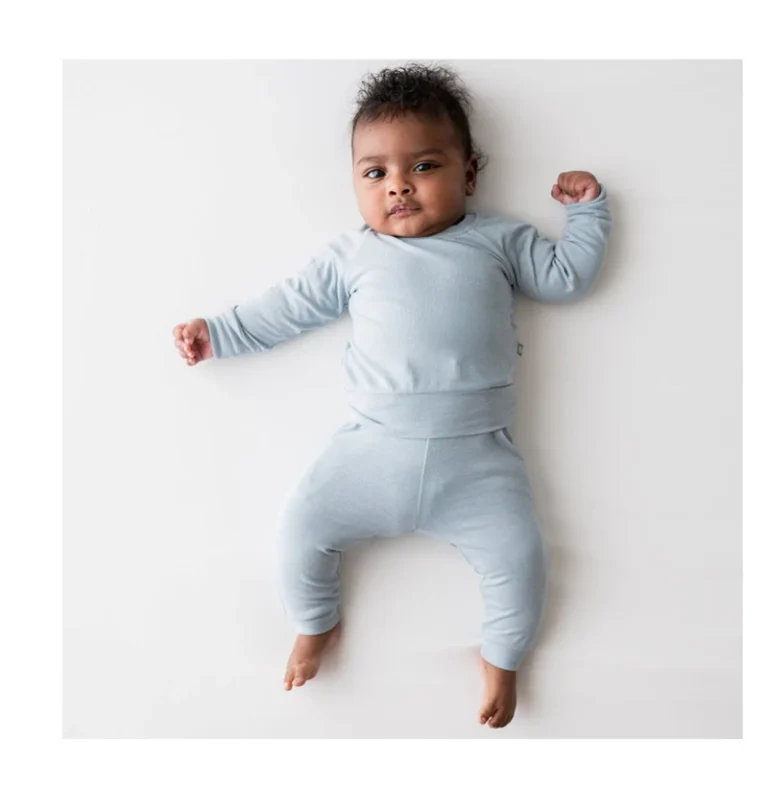
Babies have delicate, sensitive skin, making the choice of fabric an essential consideration for babywear. Bamboo fiber is naturally hypoallergenic and resistant to bacteria, ensuring that garments are safe for infants prone to allergies or rashes. These traits elevate the marketability of bamboo Clothing in the babywear sector.
Superior Comfort and Breathability
Bamboo fabric is renowned for its silky softness and excellent moisture-wicking properties. Babywear made from bamboo ensures optimal comfort by keeping infants dry and cool, especially in warm climates. These functional benefits make bamboo apparel a superior choice for both daily wear and sleepwear.
Key Advantages of Bamboo Clothing Manufacturing
For OEM and ODM businesses, the choice of bamboo comes with a range of practical benefits. Below are some reasons why manufacturers and brands increasingly pivot towards bamboo Clothing:
- Low MOQ Flexibility: Bamboo fabric’s efficient production process allows manufacturers to offer competitive low MOQ packages to emerging brands and small-scale businesses.
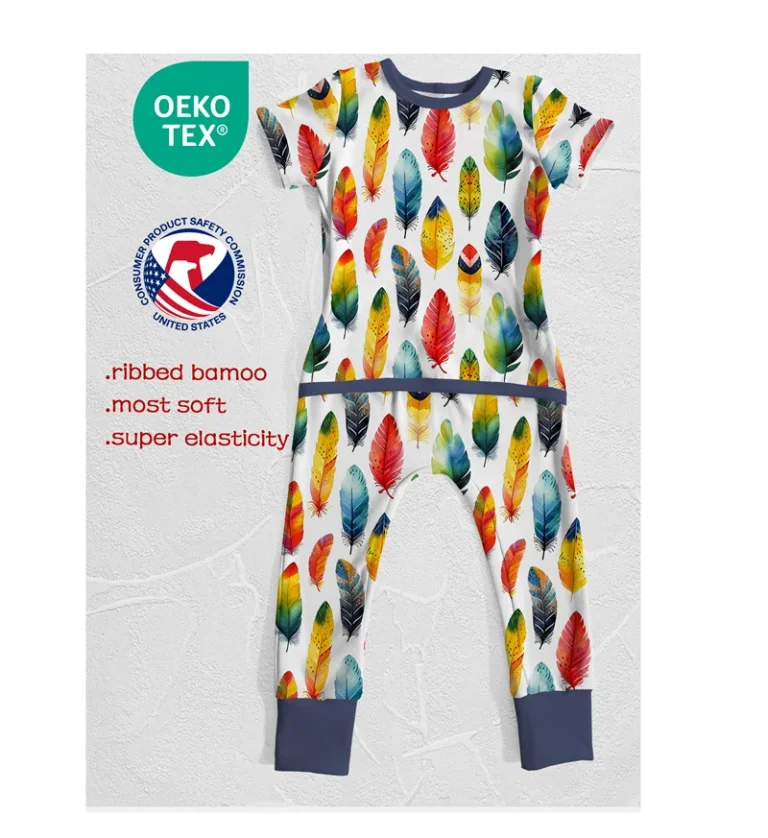
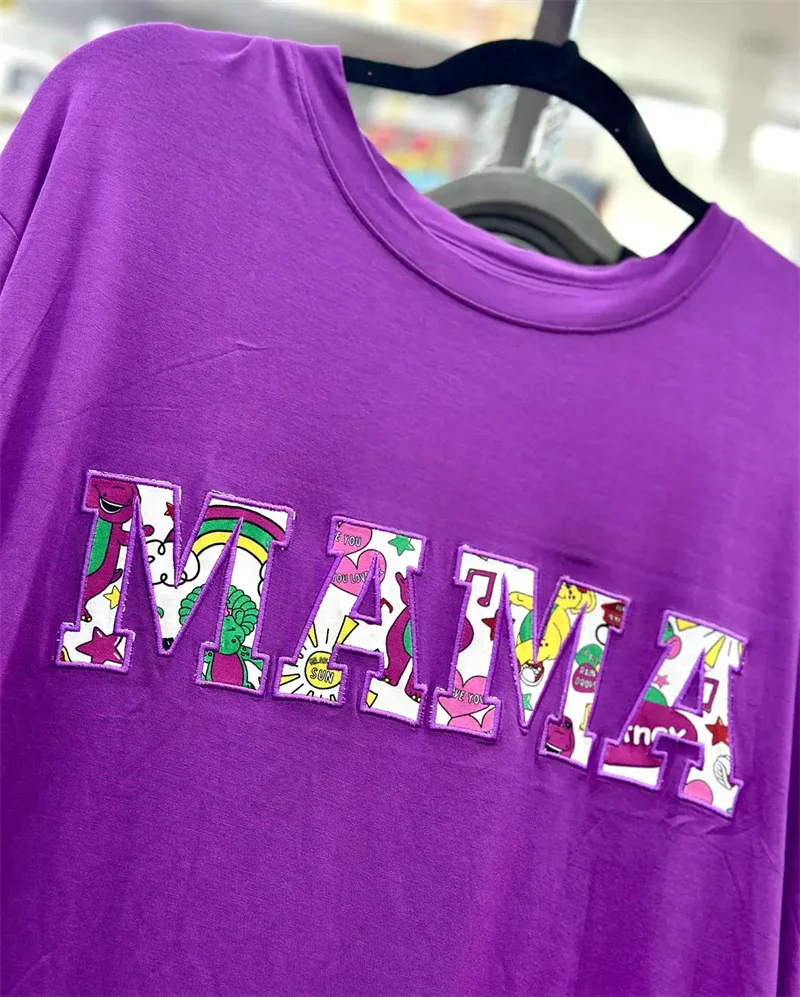
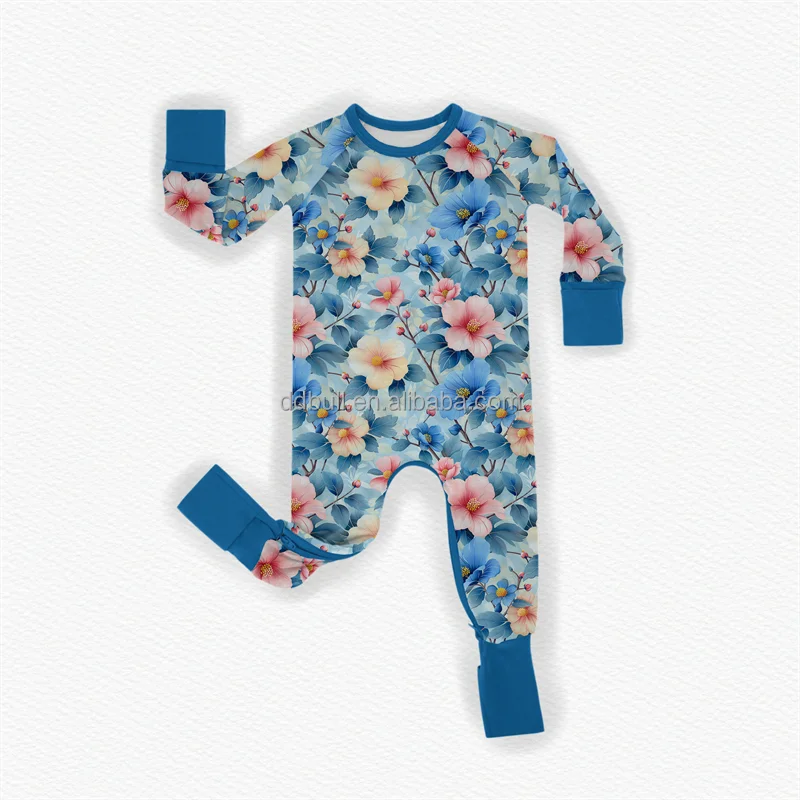
- Customizable Designs: Bamboo fabric is versatile, supporting vibrant printing, embroidery, and dyeing techniques. This flexibility empowers brands to fully customize their babywear designs.
- Durability: Bamboo garments are long-lasting due to their inherent strength, which is essential for babywear that often undergoes frequent washing.
- Eco-Friendly Appeal: Bamboo aligns with consumer demand for sustainable products, enabling brands to position their offerings as premium and environmentally responsible.
Challenges in Bamboo Clothing Production
Despite its numerous advantages, bamboo fabric does come with some production challenges that OEM and ODM manufacturers should be prepared to address:
- Higher Initial Costs: While bamboo fabric production is eco-friendly, the initial costs can be higher compared to conventional materials like cotton. However, this is offset by the premium pricing that sustainable products command.
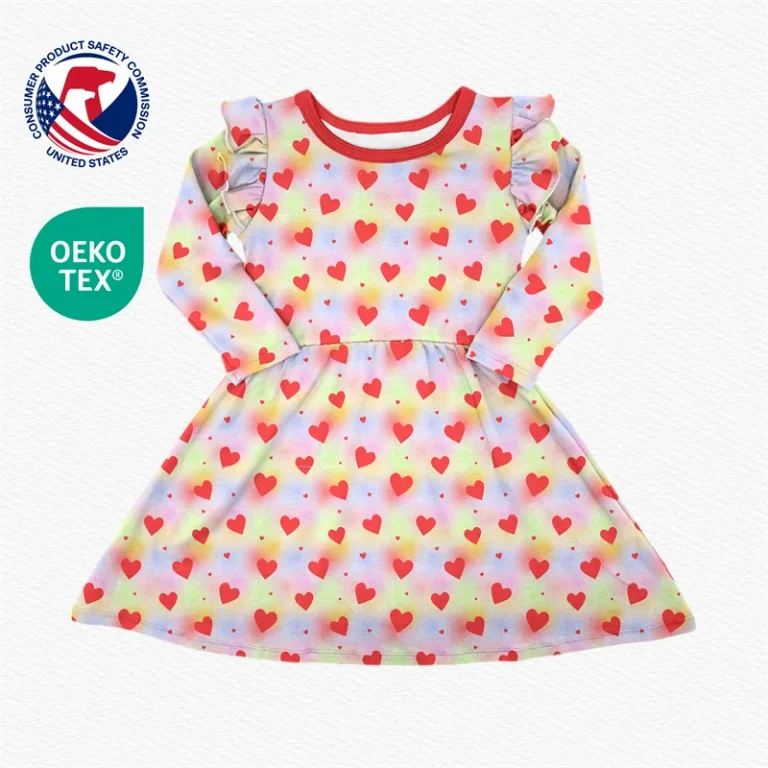
- Complex Processing: The manufacturing of viscose from bamboo involves intricate processes, often requiring additional certifications like OEKO-TEX or SGS to ensure safety and quality.
- Supply Chain Management: Consistent sourcing of high-quality bamboo fibers may require partnering with trusted suppliers who adhere to sustainable farming practices.
How Low MOQ Bamboo Clothing Solutions Benefit Growing Brands
For emerging babywear brands, low MOQ solutions are crucial to managing capital and avoiding overstock. Manufacturers offering bamboo clothing OEM and ODM custom babywear with low MOQ create avenues for smaller businesses to compete in the eco-friendly market without compromising on quality or design customization. This flexibility is especially vital in markets where consumer demand for boutique-style baby clothing is high.
Partnering with a Trusted Bamboo Clothing Manufacturer
When sourcing bamboo Clothing, it is essential to work with reliable manufacturing partners who provide end-to-end solutions tailored to your brand’s needs. Key considerations include:
- Fabric Certifications: Look for certifications such as OEKO-TEX or GOTS to ensure safety and eco-friendly production standards.
- Design Customization: Choose manufacturers who offer a wide range of customization options, from patterns and colors to packaging requirements.
- MOQ Adaptability: Opt for manufacturers who specialize in low MOQ production to minimize initial investment risks.
- Quality Control: Ensure your supplier provides stringent quality checks throughout the production cycle.
We specialize in providing bamboo clothing OEM and ODM custom babywear with low MOQ, helping brands of all sizes launch eco-conscious and high-quality babywear collections. For customized solutions and bulk order inquiries, contact us today to explore how we can support your business growth.