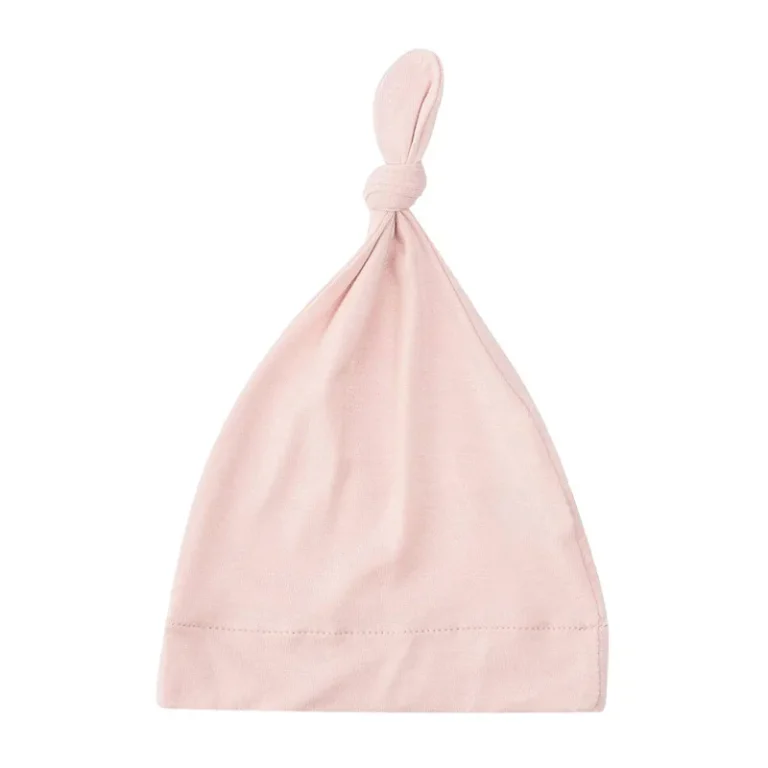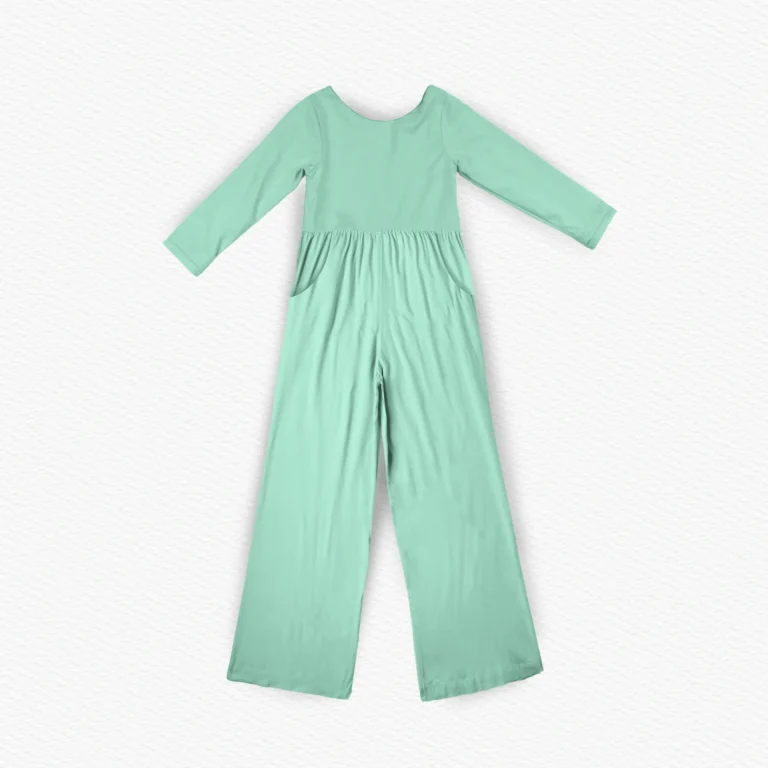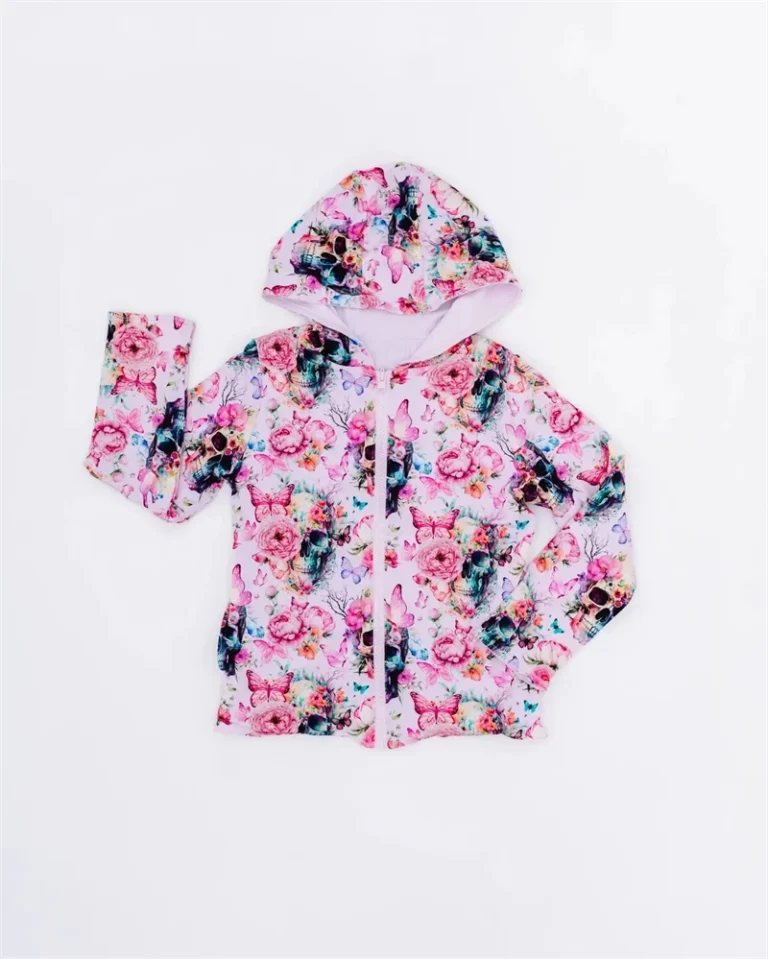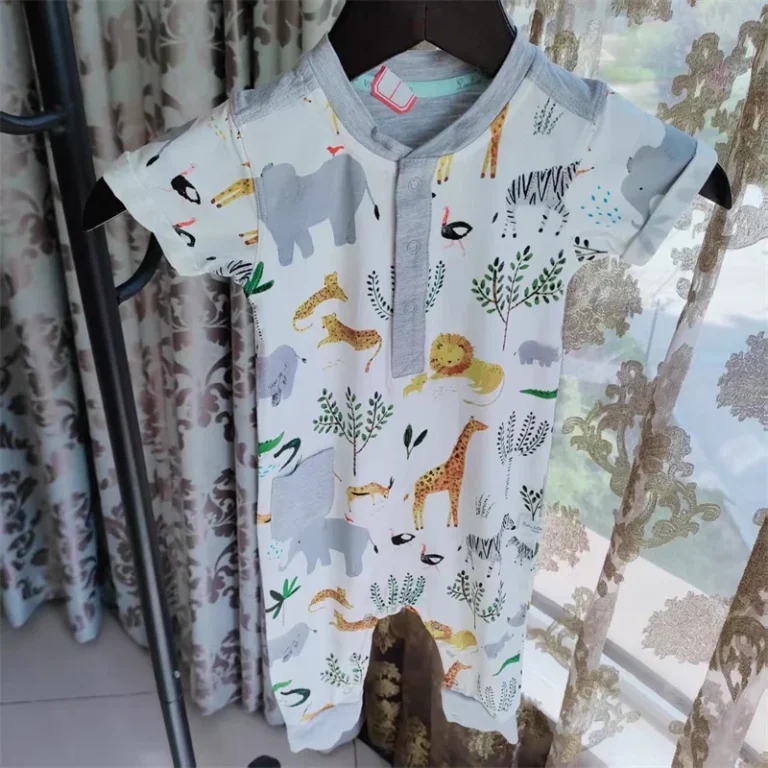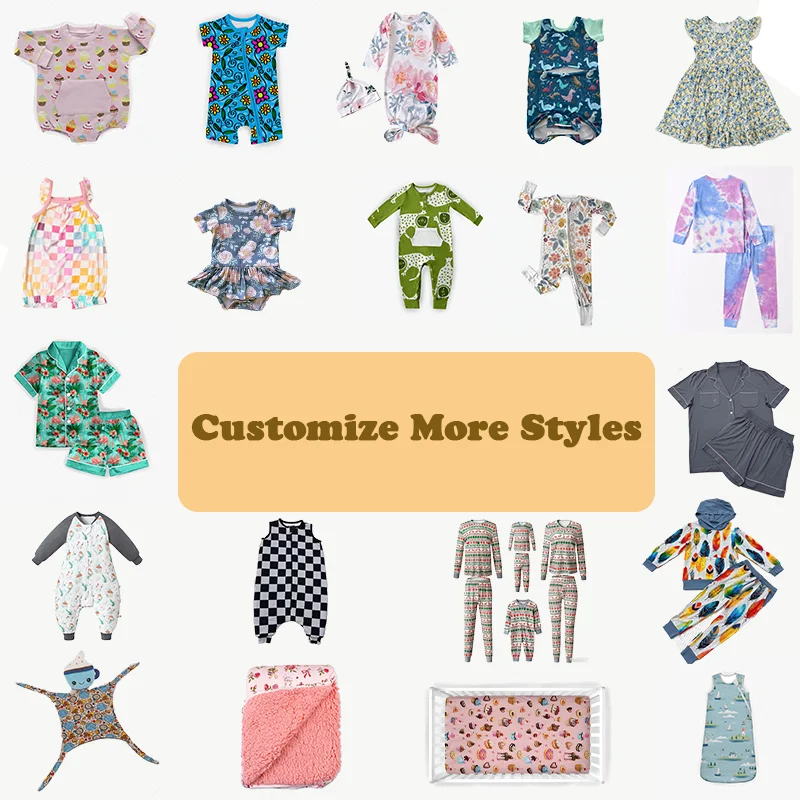
Clothing For Infants Ethical Manufacturing
Key Considerations When Selecting Clothing for Infants
Purchasing clothing For Infants demands precision and care, especially when designing or sourcing products in the B2B sector. Infants have sensitive skin, unique body proportions, and specific developmental needs, making the choice of materials, certifications, and manufacturing processes critical. Whether you’re a wholesaler, importer, or brand looking to produce infant clothing, understanding the nuances of this market ensures your offerings meet the highest standards of safety, comfort, and sustainability.
The Importance of Safe and Certified Infant Clothing
Infant clothing is not merely a fashion statement; it is a functional and protective layer essential for an infant’s well-being. For this reason, safety certifications are a non-negotiable requirement:
- ASTM F963 Certification: This standard, typically associated with toy safety, is increasingly applied to textiles in the infant clothing industry. Products compliant with ASTM F963 ensure minimal risk of choking hazards, toxic dyes, or sharp components.
- OEKO-TEX Certification: Garments marked with this certification guarantee that the fabric is free from harmful chemicals and allergens, providing an extra layer of assurance for parents.
- GOTS Certification: For organic clothing manufacturers, this seal ensures that the entire production process, from farming to final stitching, adheres to strict ecological and social standards.
Bamboo Clothing: A Sustainable Solution for Infant Garments
Bamboo fabrics are emerging as a preferred material for clothing For Infants, owing to their unique properties. They not only cater to safety and comfort but also align with growing consumer demand for sustainability in babywear.
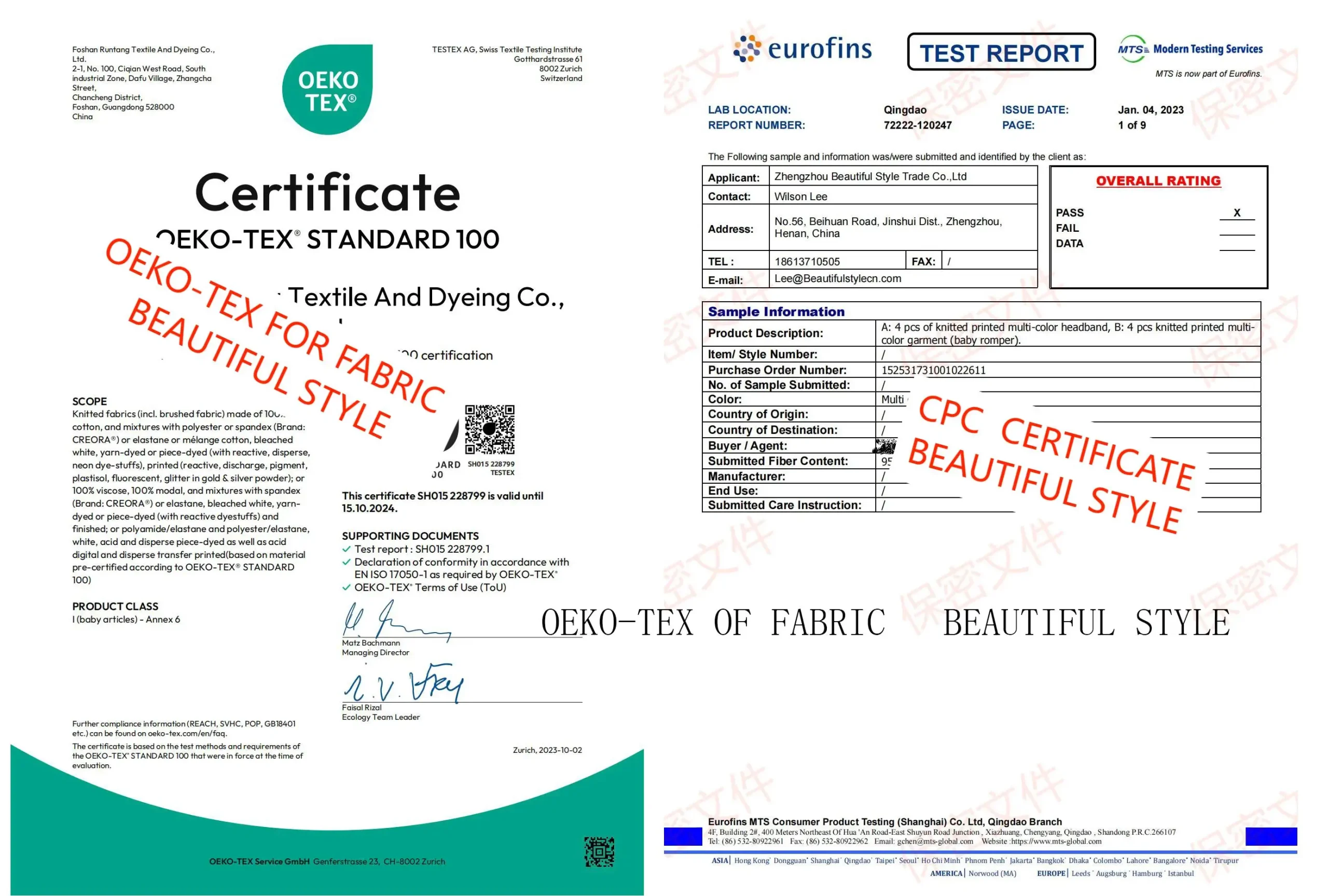
Key benefits of bamboo clothing include:
- Hypoallergenic and Antibacterial: Bamboo fibers naturally resist odors and allergens, making them ideal for infants with sensitive skin or allergies.
- Breathability: The micro-gaps within bamboo fabric promote airflow, helping regulate an infant’s body temperature during varying weather conditions.
- Eco-Friendliness: Bamboo is a fast-growing, renewable plant that requires minimal water and no pesticides, reducing its environmental footprint.
- Softness: Bamboo viscose is inherently soft, offering an unparalleled, silky texture that ensures maximum comfort for infants.
Why ASTM F963-Certified Bamboo Clothing Stands Out
When sourcing clothing for infants premium astm f963 certified bamboo clothing, businesses gain a competitive edge by addressing both premium quality standards and eco-conscious consumer preferences. These garments combine the safety standards of ASTM F963 with the performance benefits of bamboo, creating a product that is safe and desirable.
Key Features to Look for in Infant Bamboo Clothing
Bulk buyers and brands should evaluate the following attributes when sourcing bamboo clothing for infants:
- Seamless Construction: Flat seams or seamless designs prevent irritation to an infant’s sensitive skin.
- Stretchable Fabric: Bamboo blends with spandex or elastane ensure a snug yet flexible fit for active movement without restricting comfort.
- Nickel-Free Fasteners: Buttons, snaps, and zippers should be free from nickel, a common allergen.
- Machine Washable: While bamboo fabric is naturally durable, it must withstand frequent washing without losing its softness or elasticity.
Common Challenges in Infant Clothing Manufacturing
The infant clothing industry presents unique challenges for manufacturers that must be addressed during procurement:
- Compliance with Regulations: Different countries impose varied regulations on infant clothing, including labeling requirements, safety standards, and chemical restrictions.
- Consistency in Fabric Quality: Bamboo fibers may vary in quality depending on the sourcing and processing methods, making supplier reliability critical.
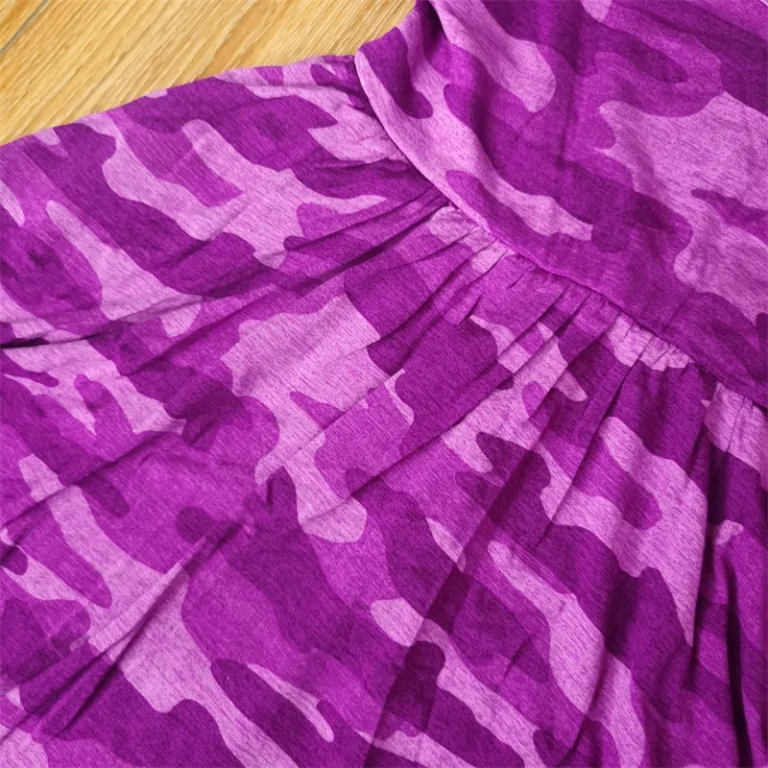
- Custom Design Needs: Many brands require custom prints, colors, and patterns, which demand skilled manufacturing capabilities and low MOQ solutions.
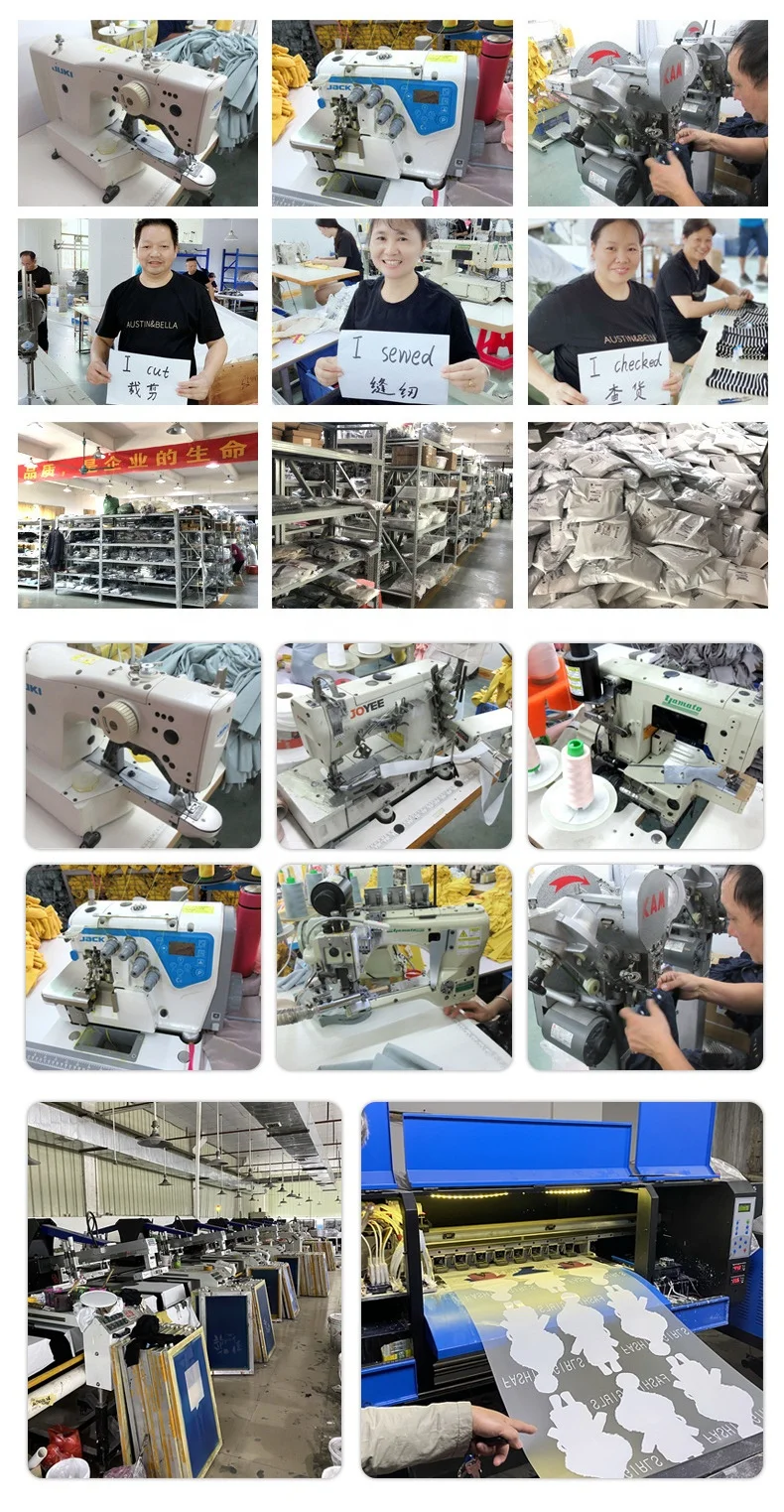
Partnering with the Right Bamboo Infant Clothing Manufacturer
When selecting a supplier or manufacturer, consider their ability to provide:
- ASTM F963 Certified Products: Ensure the factory complies with international safety standards.
- Customizable Designs: Look for a partner offering OEM/ODM services to support your brand’s unique needs.
- Low MOQ Options: For emerging brands, manufacturers must accommodate smaller production runs without compromising on quality.
- Transparent Supply Chain: Ethical sourcing practices and traceability will build consumer trust in your products.
For bulk orders or customized solutions in clothing for infants premium astm f963 certified bamboo clothing, contact us to explore our full range of eco-friendly and certified infant apparel.