Reliable Baby Oem Clothing Eco-Conscious Manufacturers: Overcoming Supply Chain Hurdles
Why Baby OEM Clothing Is a Strategic Choice for B2B Buyers
La demanda de Baby OEM Clothing has seen a significant surge, driven by the growing consumer preference for sustainable, high-quality, and customizable babywear. For B2B buyers, including wholesale distributors and private brands, understanding the benefits and specifications of OEM (Original Equipment Manufacturer) services is critical to staying competitive in the market. This article explores the advantages, quality assurance processes, and the customizability of baby OEM clothing, providing actionable insights for bulk purchasing decisions.
Key Benefits of Baby OEM Clothing for Bulk Buyers
1. Unmatched Customization Options
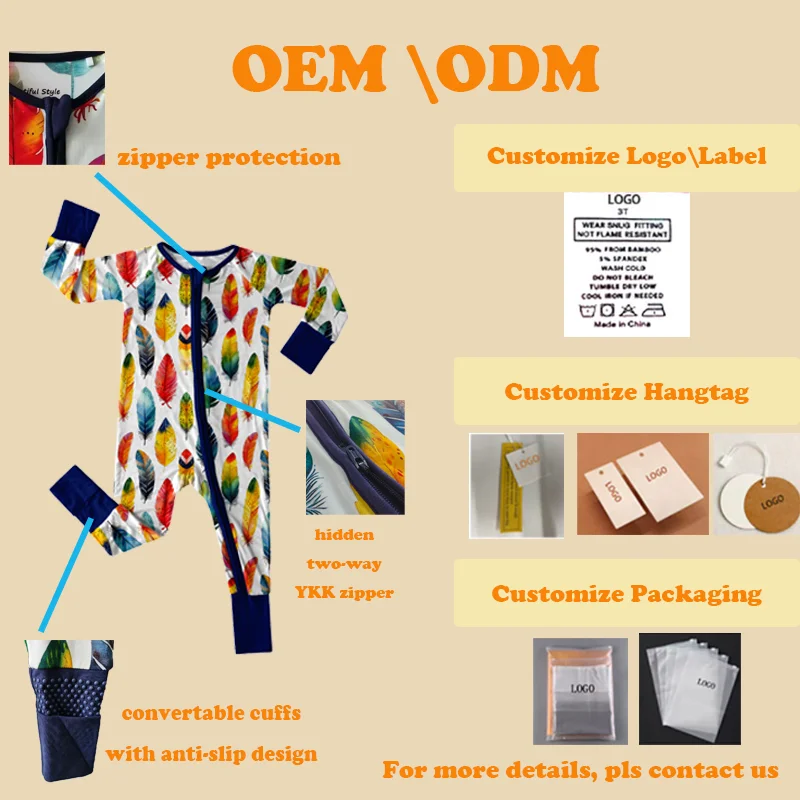
One of the most compelling advantages of Baby OEM Clothing is the ability to create unique, tailor-made products. Manufacturers offer extensive customization options, including:
- Opciones de tejidos: Organic cotton, bamboo fiber, and other eco-friendly materials tailored to consumer demand for sustainability.
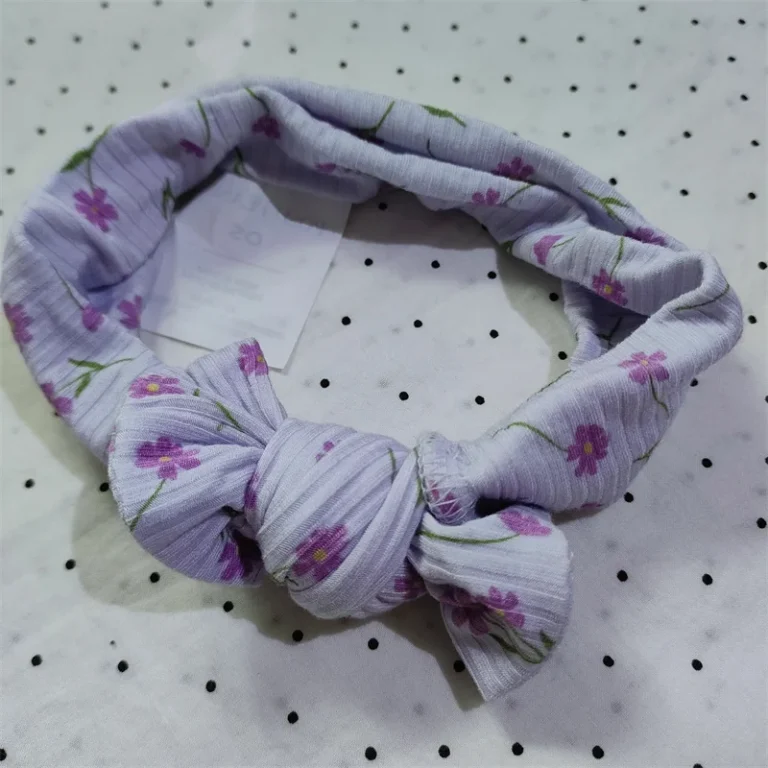
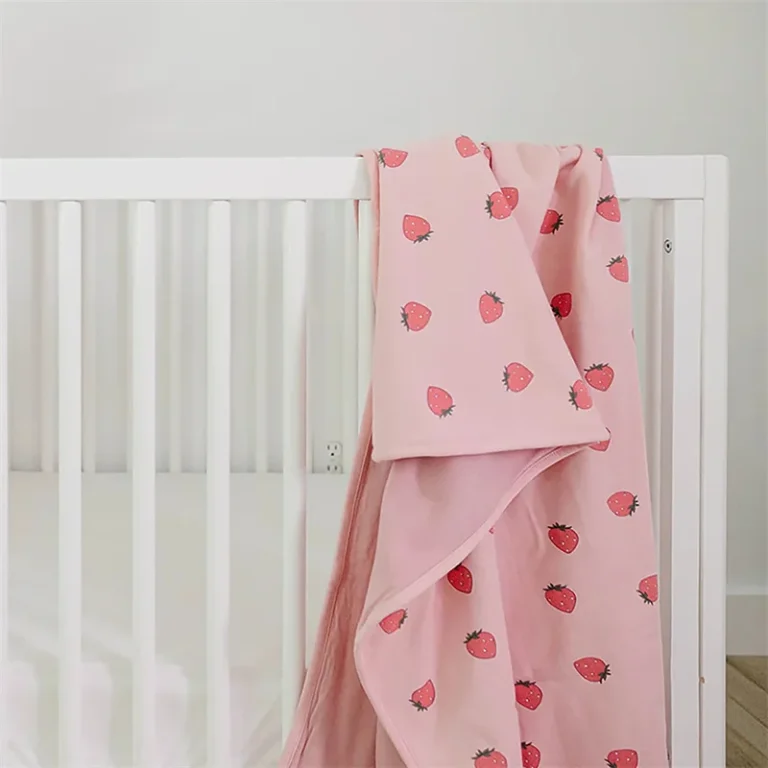
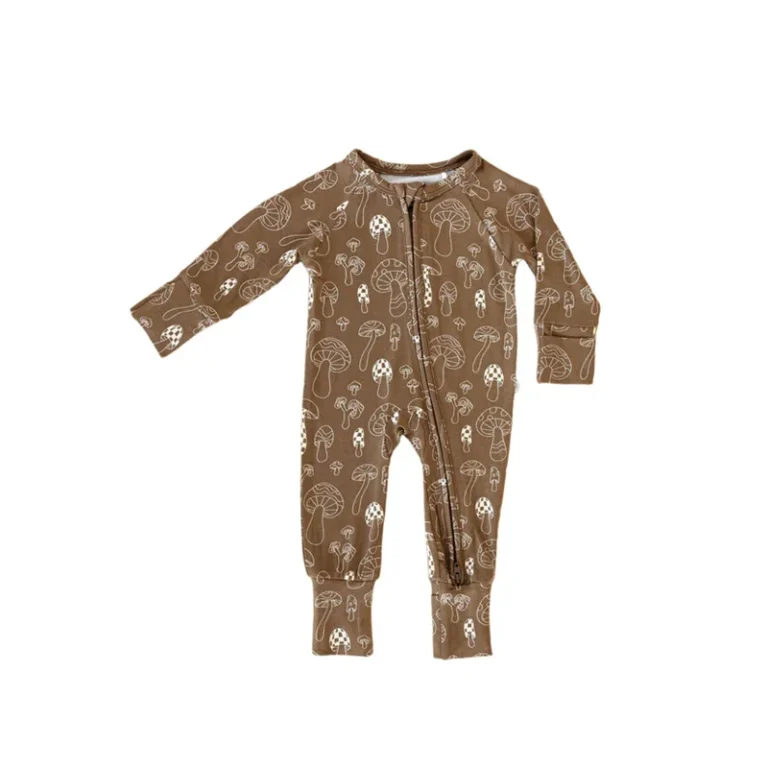
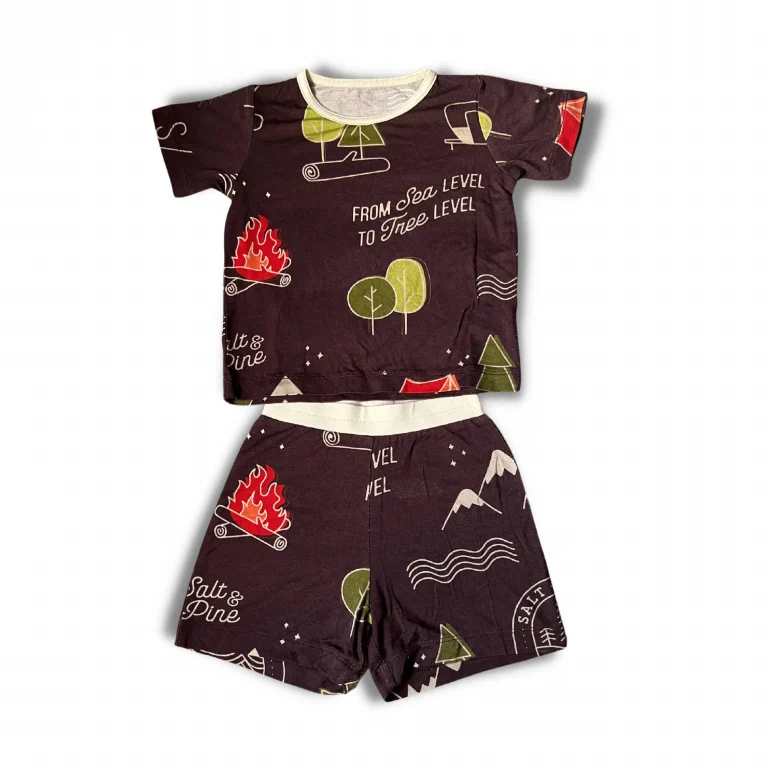
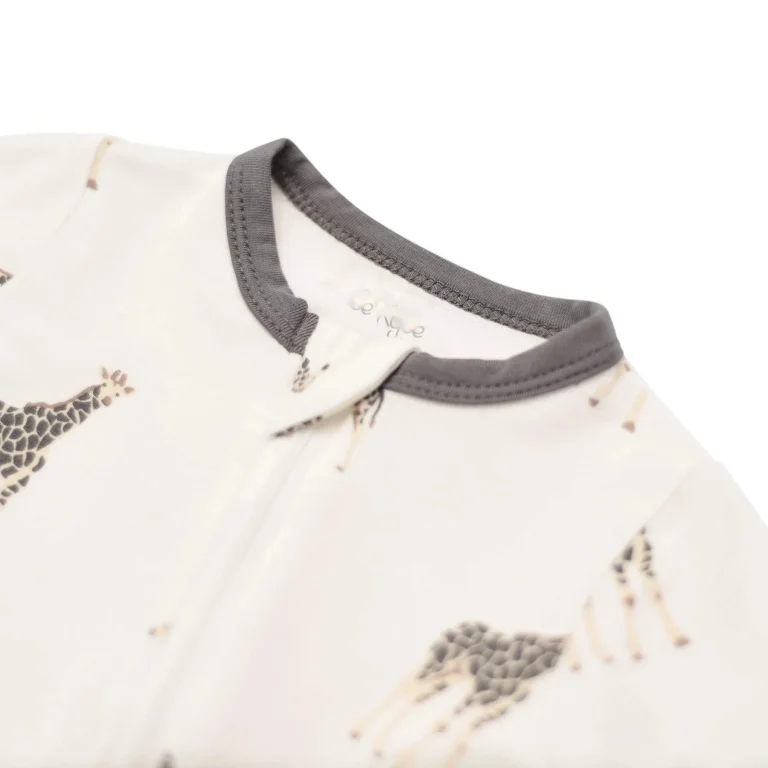
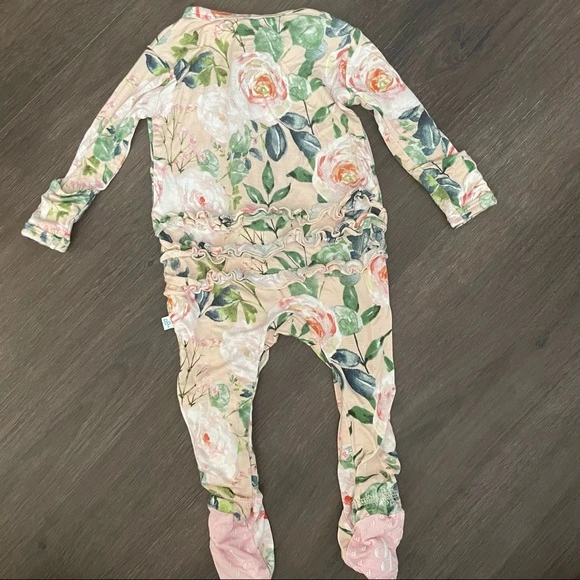
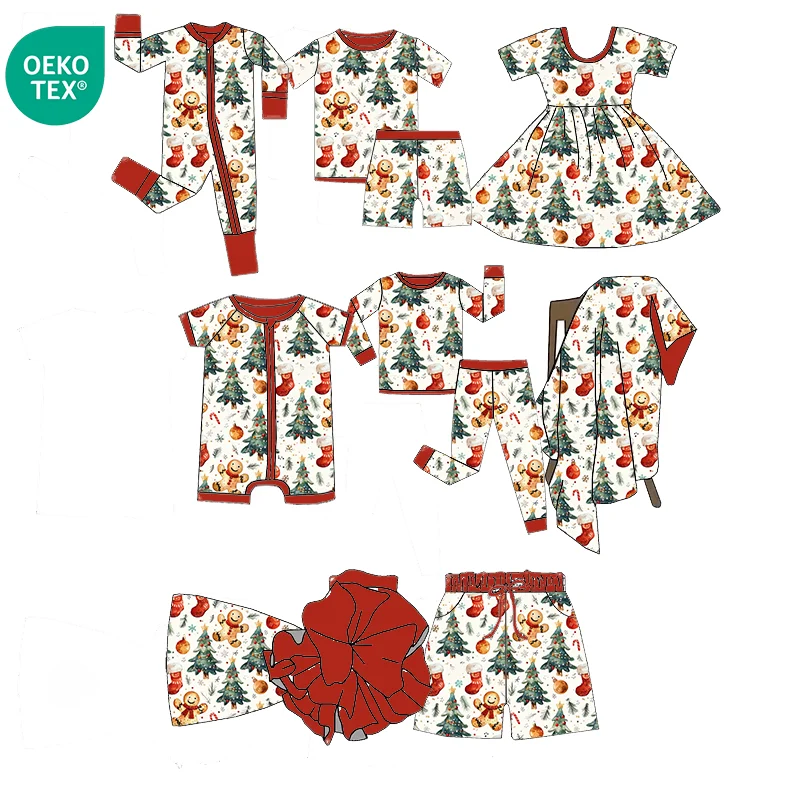
- Variabilidad del diseño: Custom prints, embroidery, and patterns to help brands stand out in a crowded market.
- Personalización del embalaje: Retail-ready packaging, including sustainable and branded options.
This level of customization ensures that private labels can offer exclusive collections aligned with their brand identity and target audience preferences.
2. Producción a gran escala rentable
Partnering with a professional OEM supplier reduces production costs, particularly for bulk orders. Many manufacturers provide economies of scale, ensuring competitive per-unit pricing without compromising on quality. This cost efficiency is particularly advantageous for emerging brands looking to maximize profit margins while maintaining premium product standards.
3. Garantía de calidad constante
Quality is a non-negotiable factor in the babywear industry, where safety and comfort are paramount. Reputable OEM manufacturers implement rigorous quality control processes, including:
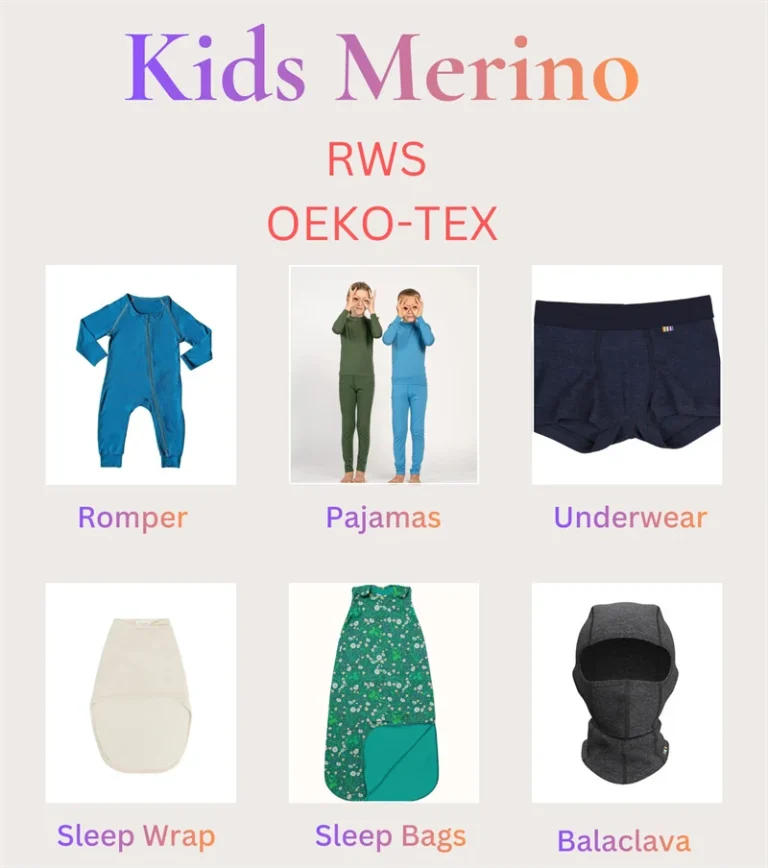
- Ensayo de materiales: Ensuring the fabrics meet global safety standards like OEKO-TEX® and GOTS certifications.
- Comprobaciones de durabilidad: Assessing the strength and longevity of seams, snaps, and zippers.
- Allergen Screening: Avoiding the use of harmful dyes or chemicals that could irritate sensitive skin.
By working with experienced OEM partners, brands can guarantee that their products meet both regulatory requirements and customer expectations.
4. Streamlined Supply Chain Operations
OEM services simplify the supply chain by consolidating multiple production stages under one roof. From sourcing raw materials to final packaging, manufacturers handle every aspect of production. This approach minimizes delays and logistical complexities, ensuring timely delivery of bulk orders to B2B clients.
How to Choose the Right Baby OEM Clothing Manufacturer
1. Evaluate Manufacturing Expertise
When selecting an OEM partner, it is crucial to assess their expertise in babywear production. Look for manufacturers with a proven track record in delivering high-quality products that align with your brand’s vision. Request detailed portfolios and samples to evaluate craftsmanship and attention to detail.
2. Assess Customization Capabilities
Customization is a cornerstone of OEM services. Ensure the manufacturer can support your specific design and packaging requirements, including the use of sustainable materials and advanced printing techniques. A manufacturer’s flexibility in accommodating your unique needs is often a key differentiator in their service offering.
3. Verify Compliance with Safety Standards
Compliance with international safety and quality standards is non-negotiable in the babywear industry. Confirm that the manufacturer meets certifications such as CPSIA, OEKO-TEX®, or GOTS, which verify product safety and sustainability. This step safeguards your brand reputation and ensures customer trust.
4. Review Minimum Order Quantities (MOQ) and Scalability
MOQ policies vary among manufacturers, so choose one that aligns with your business size and growth plans. Whether you’re a startup or an established brand, having a scalable production partner allows you to adapt to market demands without overextending your inventory.
Addressing Common Challenges in Bulk Orders
1. Communication Barriers
Clear communication with your OEM partner is essential to avoid misunderstandings. Opt for manufacturers with dedicated account managers or multilingual support teams. This ensures seamless collaboration, particularly for international buyers.
2. Lead Time Management
Understanding production timelines is critical for effective supply chain planning. Discuss lead times upfront and establish contingency plans for unexpected delays, such as material shortages or shipping disruptions.
3. Transparency in Pricing
Hidden costs can erode profit margins, especially in large-scale orders. Partner with manufacturers who provide transparent pricing that includes packaging, shipping, and any additional services.
For businesses seeking a reliable and efficient partner to meet their bulk order needs, our baby oem clothing professional private label bulk order service offers unmatched expertise, customizable solutions, and rigorous quality control. Contact us today for customized solutions or bulk order inquiries.