Leading Baby Romper Material Fabric Eco-Conscious Manufacturers with Intertek Verified
Understanding the Importance of Baby Romper Material Fabric
When selecting Baby Romper Material fabric for manufacturing or retail, the choice of material plays a critical role in determining the product’s performance, comfort, and appeal. For businesses involved in OEM and ODM services, understanding fabric properties is essential to meet customer demands while adhering to industry standards. This article explores the critical factors in choosing the right materials for baby rompers, with a focus on sustainability, safety, and customer preferences.
Key Attributes of High-Quality Baby Romper Fabrics
1. Safety and Skin-Friendliness
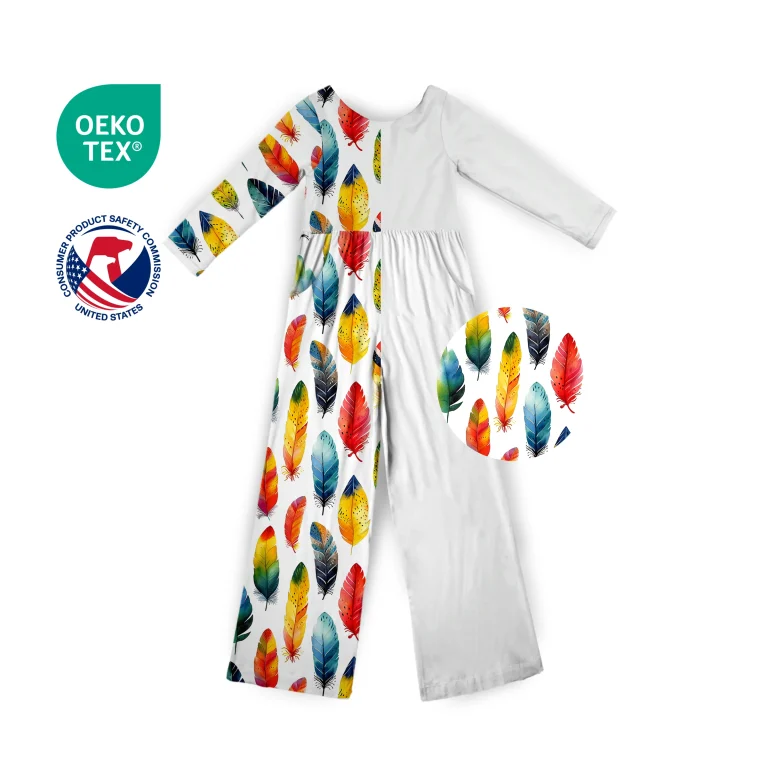
Infant skin is highly sensitive, requiring fabrics that are non-irritating and hypoallergenic. Preferred materials include organic cotton and bamboo fibers, which are free from harmful chemicals and dyes. Certifications such as OEKO-TEX Standard 100 or GOTS (Global Organic Textile Standard) ensure that the fabric meets stringent safety requirements.
2. Breathability and Moisture-Wicking
Babies are prone to overheating, making breathability a crucial factor for romper fabrics. Natural fibers like cotton and bamboo excel in moisture-wicking and temperature regulation, keeping the baby comfortable throughout the day.
3. Durability and Stretch
Baby rompers need to withstand frequent washing and wear. Fabrics with added spandex or elastane provide stretch and retain their shape over time, ensuring the garment remains functional without compromising on comfort.
4. Environmental Sustainability
As consumer awareness of sustainability grows, there is an increasing demand for eco-friendly options. Bamboo-based fabrics, for example, are not only biodegradable but also require fewer resources to produce compared to conventional cotton. This makes them an excellent choice for brands that prioritize environmental responsibility.
Comparing Popular Fabrics for Baby Rompers
Below is a comparison of commonly used materials, highlighting their advantages and limitations:
- Organic Cotton: Soft, breathable, and hypoallergenic, but may require more water during production compared to bamboo.
- Bamboo Fiber: Naturally antibacterial, moisture-wicking, and sustainable, though processing may involve chemical treatments.
- Polyester Blends: Durable and cost-effective but less breathable than natural fibers and less eco-friendly.
- Modal: Derived from beech trees, this fabric is silky, lightweight, and retains its softness after multiple washes.
Why Opt for Customized Babywear with Low MOQ?
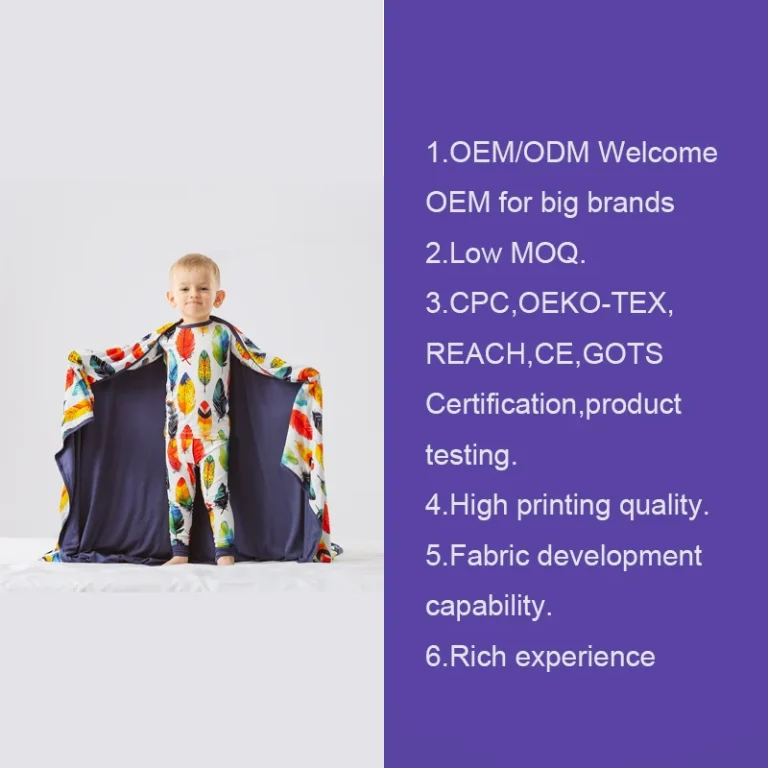
For businesses entering the infant apparel market, offering unique designs and premium materials can differentiate their brand in a competitive landscape. Choosing baby romper material fabric OEM and ODM custom babywear with low MOQ allows flexibility to experiment with designs, colors, and materials without committing to large inventory. This approach benefits:
- Emerging Brands: Low MOQ manufacturing minimizes financial risks while offering room to scale production based on demand.
- Bulk Buyers: OEM and ODM services ensure consistency in quality and customization options that align with brand identity.
- Sustainability-Focused Firms: Partnering with suppliers that offer eco-friendly fabrics reinforces brand commitment to environmental responsibility.
How to Evaluate a Reliable OEM/ODM Supplier
Choosing the right manufacturing partner is critical to ensuring product quality and timely delivery. Consider the following factors when evaluating suppliers:
- Fabric Expertise: Look for suppliers specializing in Baby Romper Material fabric with a proven track record in the babywear industry.
- Certifications: Ensure compliance with safety standards and certifications like OEKO-TEX or GOTS for organic fabrics.
- Low MOQ Options: Verify that the supplier accommodates low minimum order quantities to meet your business model.
- Customization Capabilities: Assess their ability to produce unique designs, colors, and material blends tailored to your brand.
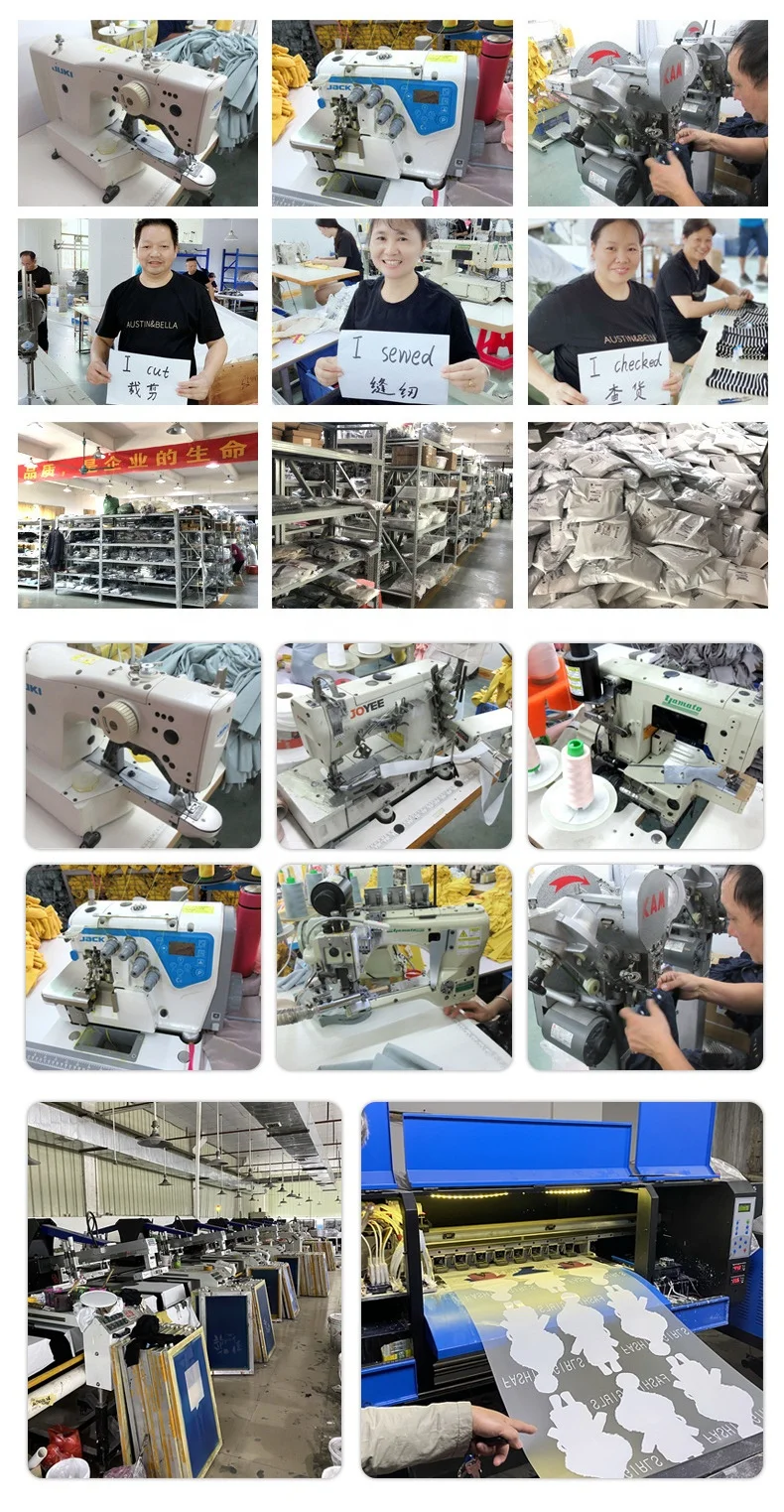
- Quality Assurance: Confirm that the supplier has a robust quality control process in place to ensure consistency across batches.
At our facility, we provide baby romper material fabric OEM and ODM custom babywear with low MOQ solutions tailored to meet the needs of emerging brands and established retailers. Contact us for customized solutions and bulk order inquiries to bring your vision for premium babywear to life.