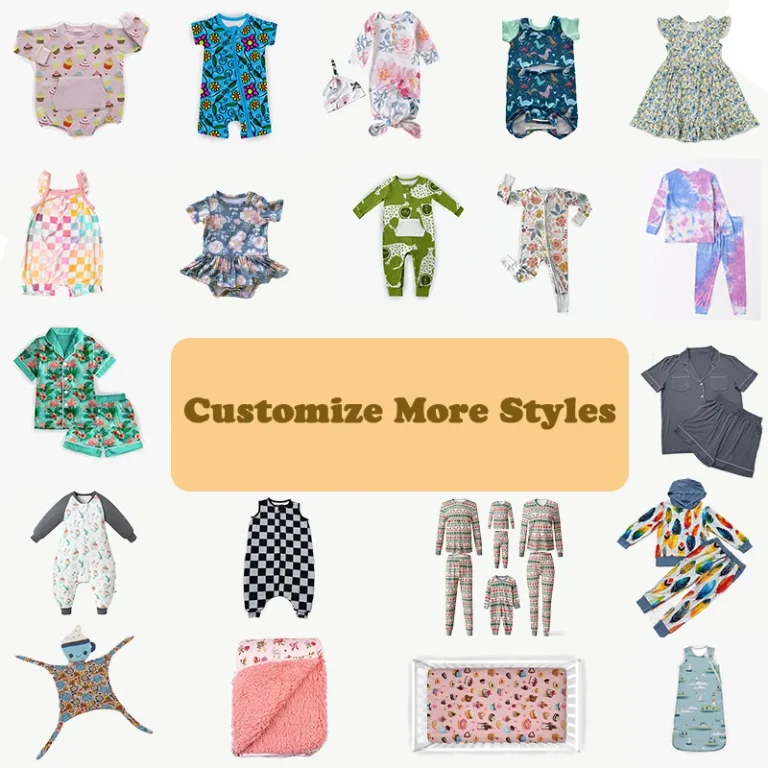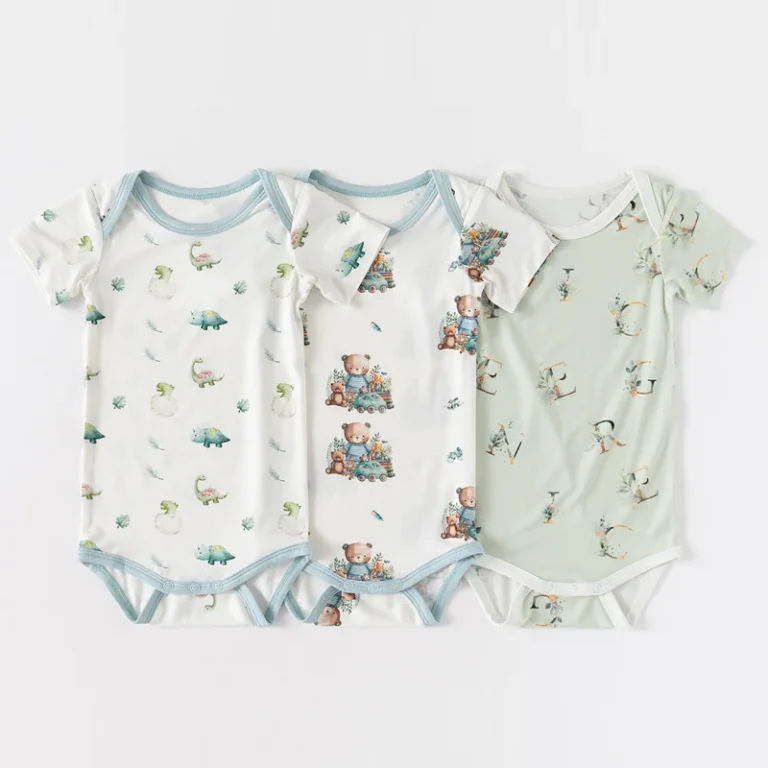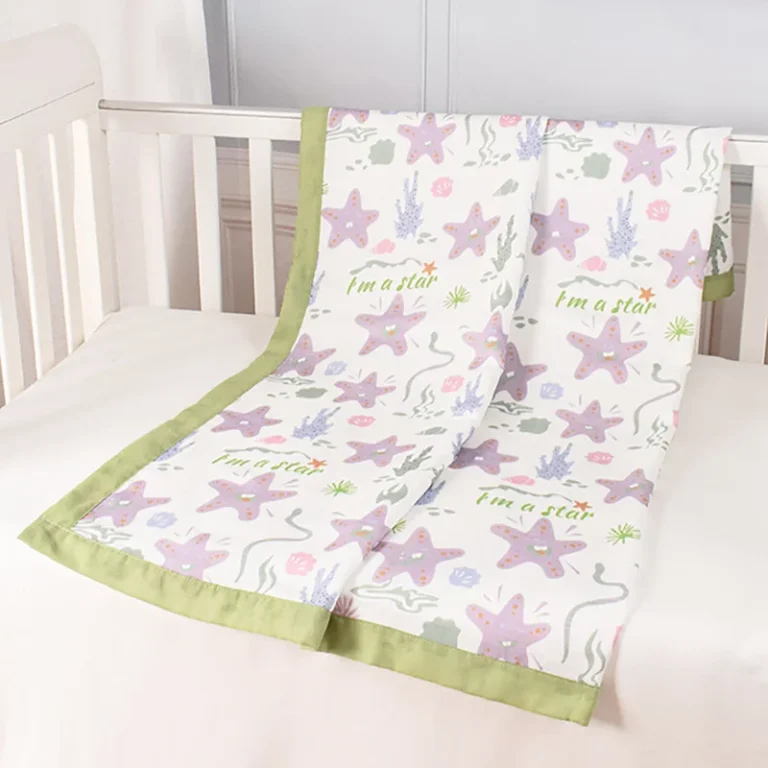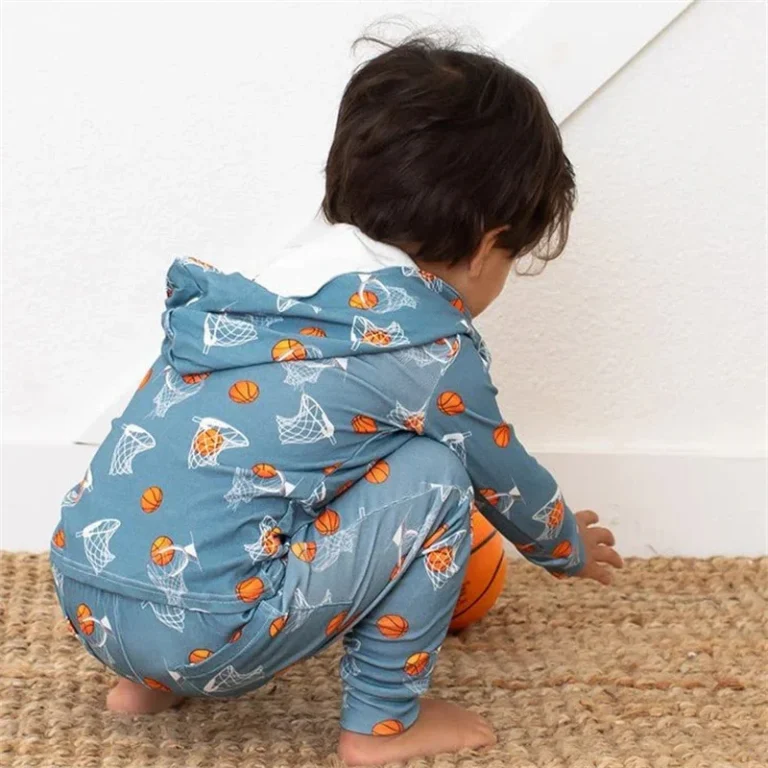
Wholesaler Professional Bamboo Clothes Manufacturing
The Rising Demand for Bamboo Clothes in the Babywear Industry
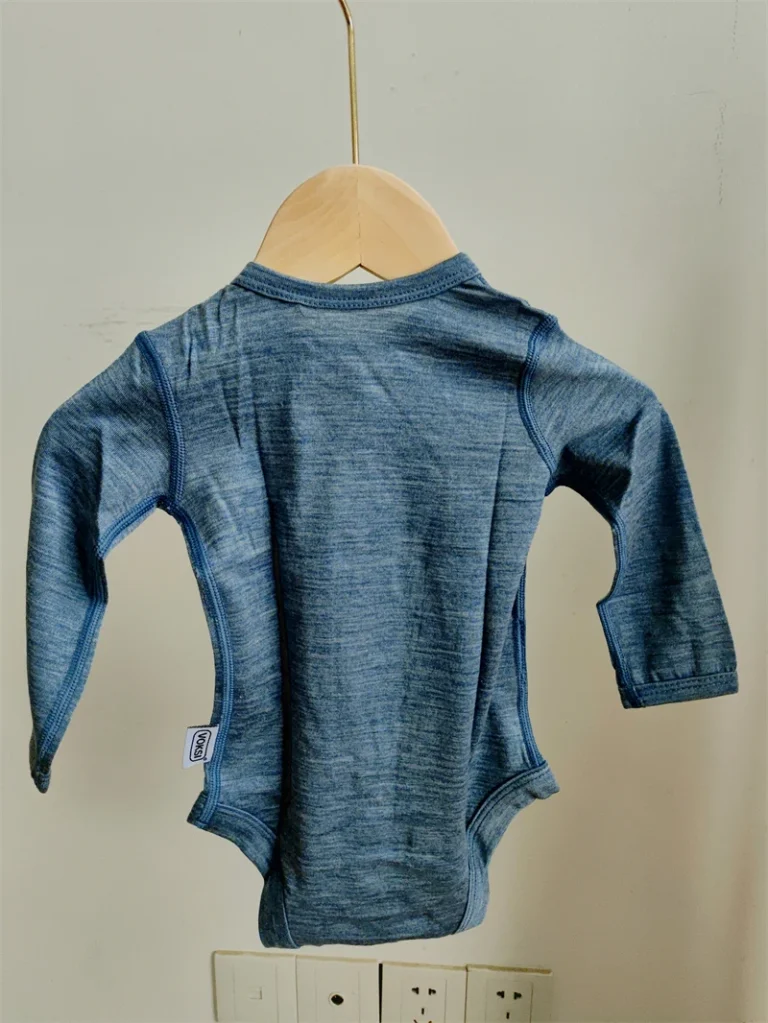
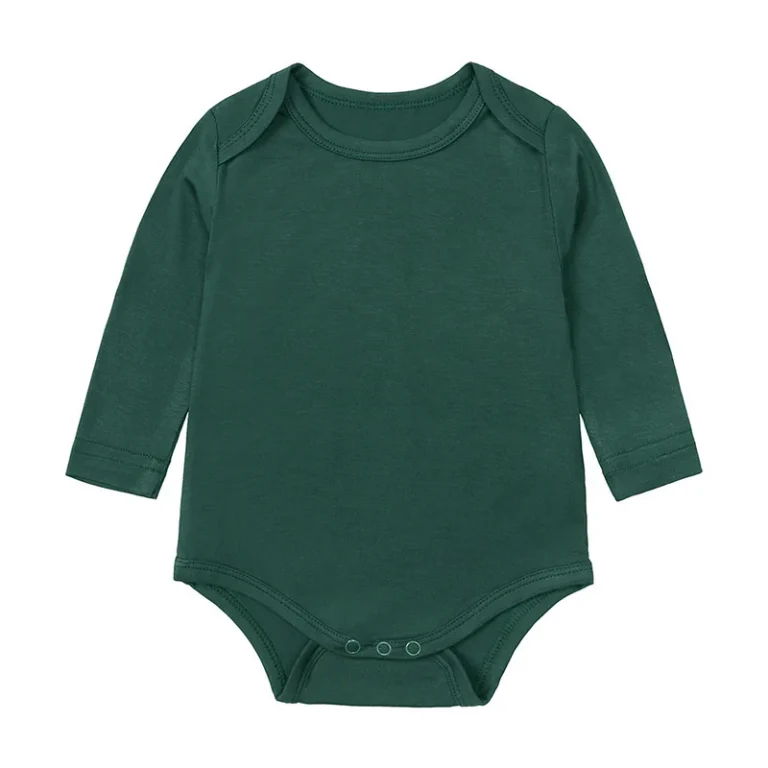
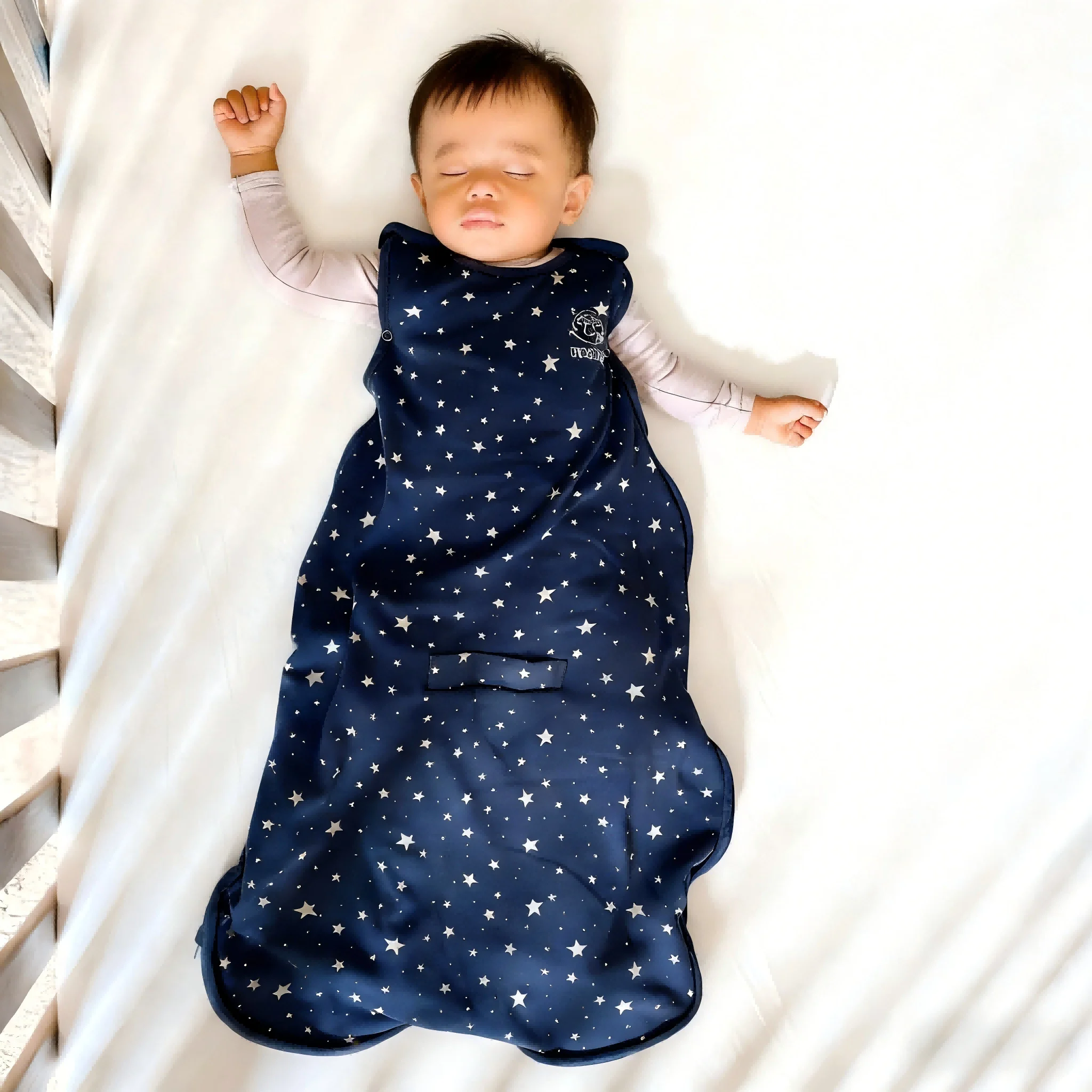
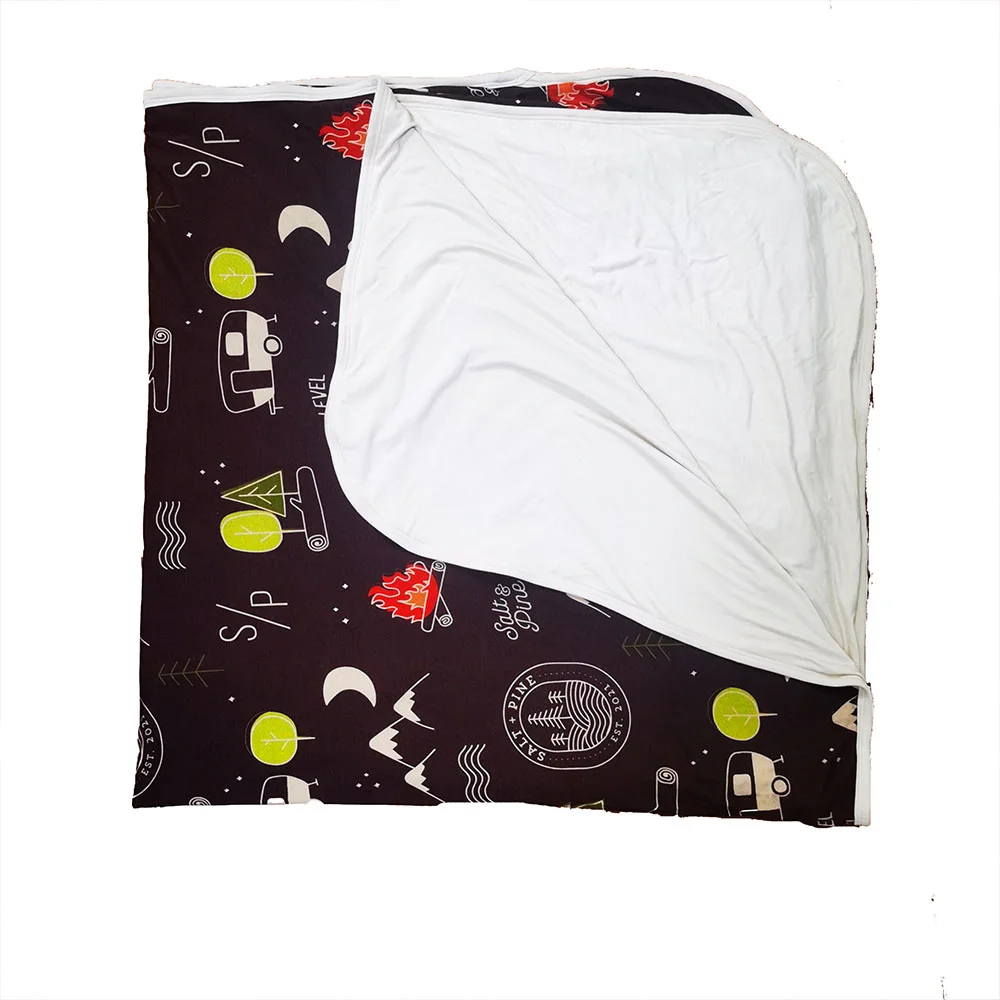
The babywear market is undergoing a transformative shift as sustainability becomes a crucial factor in consumer decision-making. Among eco-friendly materials, bamboo fibers have emerged as a standout choice due to their unique properties and environmental benefits. As a supplier or brand owner, understanding the intricacies of bamboo Clothes can help you gain a competitive edge in this growing segment.
What Makes Bamboo Clothes Ideal for Babywear?
Bamboo fibers offer a combination of softness, durability, and breathability that is unmatched by conventional materials. These attributes make bamboo Clothes particularly suitable for infant and toddler apparel. Here are the key benefits:
- Hypoallergenic and Gentle on Skin: Bamboo fibers are naturally hypoallergenic, making them ideal for babies with sensitive skin or eczema.
- Moisture-Wicking: Bamboo fabrics can efficiently wick away moisture, keeping babies cool and comfortable throughout the day.
- Eco-Friendly Production: Bamboo grows rapidly without the need for pesticides or fertilizers, making it one of the most sustainable sources of textile fibers.
- Antimicrobial Properties: Bamboo clothing inherently resists bacteria growth, promoting hygiene and reducing odor.
- Thermal Regulation: Bamboo fibers adapt to temperature changes, ensuring warmth in colder climates and coolness in warmer conditions.
The Role of Bamboo Clothes Manufacturers in Sustainability
The choice of a manufacturing partner can significantly impact the environmental footprint of your supply chain. As a brand or wholesaler, partnering with a bamboo clothes factory direct eco-friendly baby clothing manufacturer ensures that your products align with consumer expectations for sustainability. Key aspects to consider include:
- Material Sourcing: Verify that the bamboo used is sourced from certified farms that prioritize organic and sustainable cultivation methods.
- Production Practices: Modern manufacturing processes should minimize water usage and eliminate harmful chemicals.
- Quality Control: Ensure that the factory implements stringent testing for fabric softness, strength, and safety compliance.
- Customization Options: Factories offering OEM/ODM services can help tailor your designs and meet specific market demands.
- Scalability: Manufacturers should offer solutions for both small and large bulk orders to accommodate businesses of all sizes.
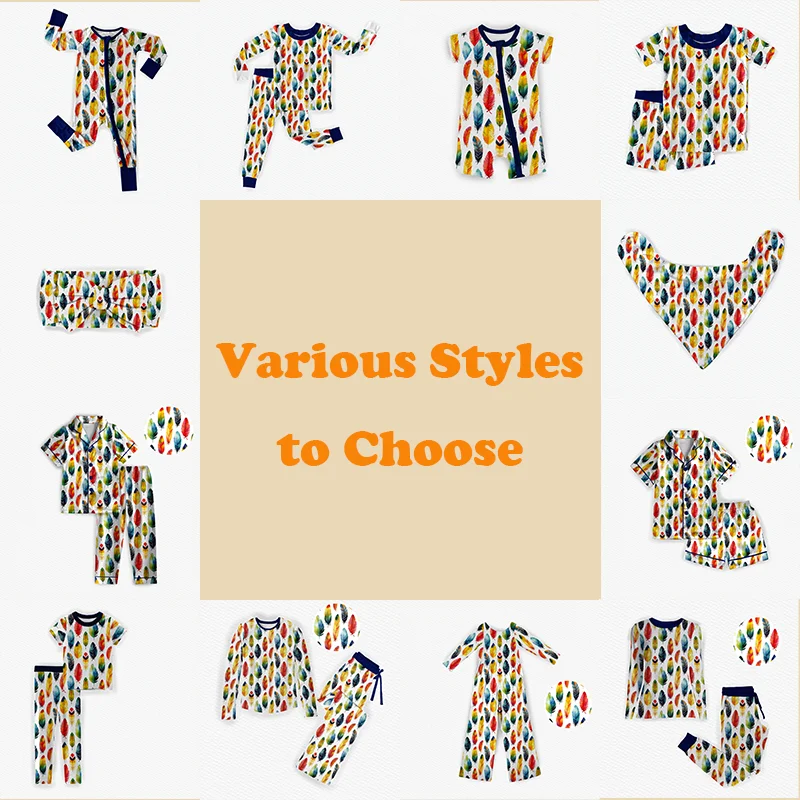
How to Source Bamboo Clothes Efficiently
For B2B buyers, sourcing bamboo babywear involves balancing cost, quality, and ethical practices. Here are some steps to streamline your procurement process:
- Assess Manufacturer Credentials: Work with factories that have proven expertise in producing high-quality bamboo Clothes and possess certifications like OEKO-TEX and GOTS.
- Request Samples: Before committing to bulk orders, evaluate product samples to check fabric quality and stitching standards.
- Negotiate MOQ: Look for manufacturers that offer flexible Minimum Order Quantities (MOQs), especially if you are a new or small-scale brand.
- Verify Compliance: Ensure the products meet global safety standards such as CPSIA and EN71 for babywear.
- Discuss Logistics: Opt for suppliers with reliable shipping networks and transparent delivery timelines.
Partner with a Trusted Bamboo Clothes Manufacturer
If you’re seeking a bamboo clothes factory direct eco-friendly baby clothing manufacturer that meets your sustainability goals and quality expectations, we offer tailored solutions to suit your needs. With decades of experience in producing premium bamboo babywear, our team supports brands and wholesalers with customization options, low MOQ for emerging businesses, and bulk order scalability. Contact us today to explore customized solutions for your babywear line or discuss bulk order inquiries.